Key takeaways
Does ceramic coating make my paint scratch-proof?
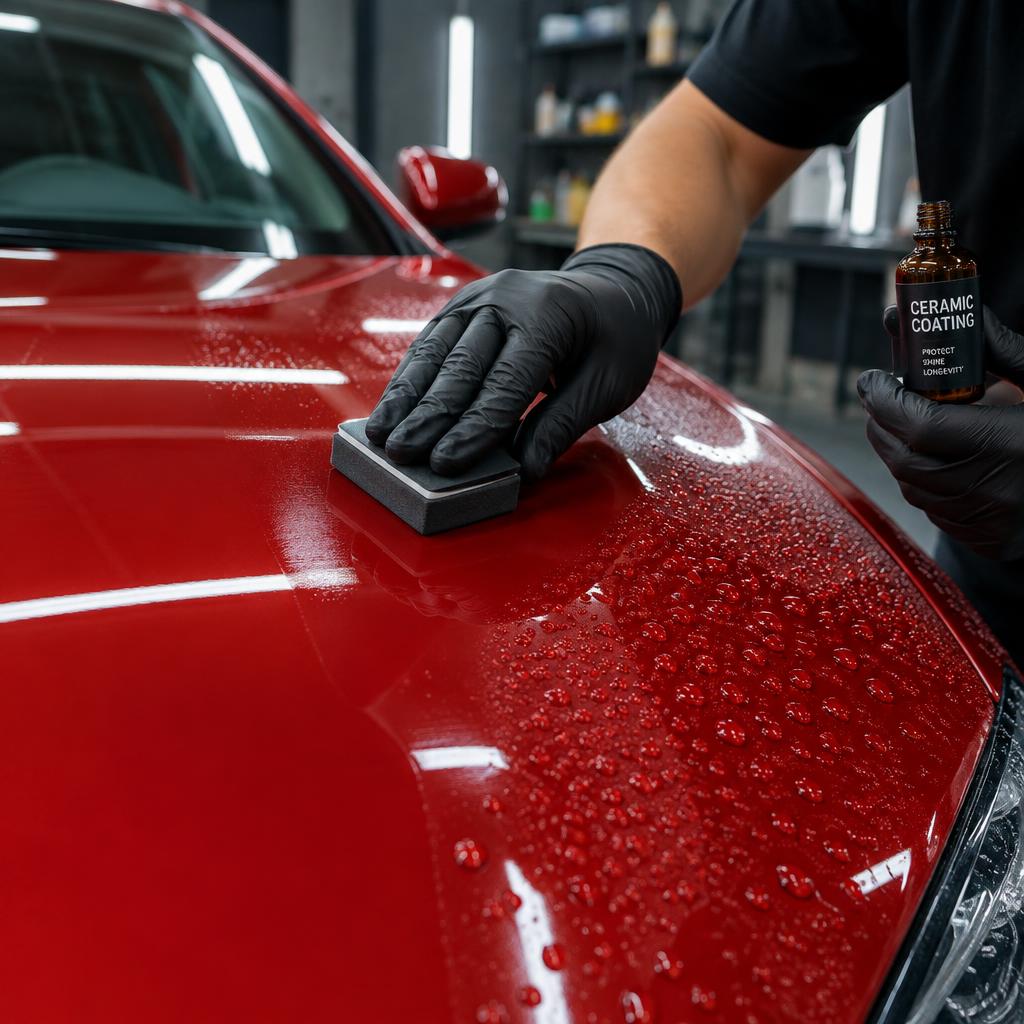
No coating makes paint scratch-proof. A ceramic coating is built around SiO2 and forms a layer typically measured in microns, bonded on top of the clear coat. It is harder than untreated clear coat, which is why marketing often mentions scratch resistance, but hardness is not the same as impact absorption.
Keys, rings, abrasive towels, automatic wash brushes, and grit can all still mar a coated car. Think of ceramic coating as a protective, easy-to-clean glaze, not armor. Honest installers will tell you the same thing.
Can ceramic coating reduce swirl marks and light scratches?
Some coatings offer improved resistance to light marring, especially when you wash properly. The slick surface also lets towels and mitts glide, which can reduce the friction that causes swirls. That said, results vary by product and by how the car is maintained.
A scratch that catches a fingernail has penetrated the clear coat and generally won't be prevented or hidden by coating. Light defects before coating should be corrected with paint correction first, since coating will lock in whatever is on the surface.
Will ceramic coating stop rock chips on the highway?
No. Rock chips happen when a stone strikes at speed and fractures the paint layers. A thin coating can't cushion that kind of force. Drivers on I-35, MoPac, and 130 toll roads see construction gravel and debris regularly, and the front bumper, hood, and mirrors take the brunt.
Hail is similar. Large hail dents panels regardless of coating. Insurance, covered parking, and impact-resistant solutions such as paint protection film address physical damage; ceramic coating addresses surface chemistry.
What does ceramic coating actually protect against?
A quality coating provides UV resistance, chemical resistance, and a hydrophobic surface that reduces dirt and water adhesion. It helps bird droppings, bug splatter, and pollen release more easily, buying you time to clean them before they etch the paint.
It also deepens gloss and makes washing faster. Those benefits are real, but they're about preservation and cleanliness rather than impact protection. Hard water spots, for example, are easier to remove from coated paint but can still form.
- UV and oxidation resistance
- Chemical and bird dropping resistance
- Easier washing and less dirt adhesion
- Enhanced gloss and depth
What is the best protection for chips and scratches?
Paint protection film (PPF) is a thick, urethane-based film that absorbs impacts and, in many premium films from brands like XPEL, has self-healing properties for light scratches. Applying it to high-impact areas such as the front end gives real chip protection.
Many owners combine them: PPF on vulnerable panels and ceramic coating on the rest, or even over the film. Our guide comparing the two goes deeper. Call 469-638-8230 to discuss the right setup for your vehicle and commute.
Frequently asked questions
Is ceramic coating worth it if it doesn't stop chips?
Yes for gloss, UV protection, and easy cleaning, but not as impact protection.
Can ceramic coating fix existing scratches?
No. Scratches must be polished out before coating.
Does 9H hardness mean scratch-proof?
No. It's a pencil hardness rating and doesn't guarantee protection against real-world scratches.
Will ceramic coating protect against hail?
No, it can't prevent dents from hail.
Can I put ceramic coating over PPF?
Yes, many people do for easier cleaning and gloss.
Topics covered: SiO2 · clear coat · XPEL · paint protection film · I-35 · MoPac · paint correction · ceramic coating