Key takeaways
What does ceramic coating actually do for car paint?
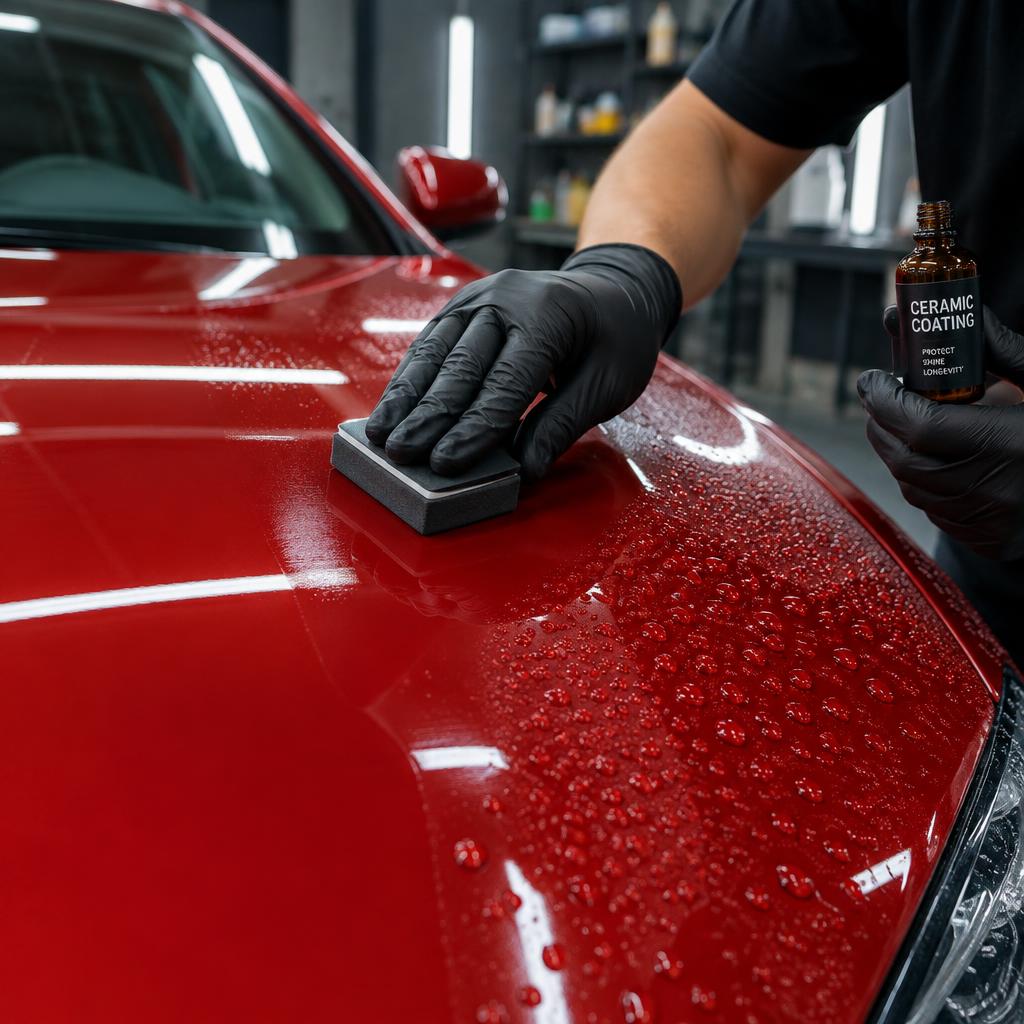
An automotive ceramic coating forms a thin protective layer over a prepared finish. Many consumer and professional products use silane, siloxane, or related SiO2-based chemistry, although formulations differ. The resulting surface can improve water behavior, gloss, and release of some everyday contamination. Think of it as a sacrificial maintenance layer rather than a replacement for the factory clear coat or an invisible shield against all environmental damage.
The biggest practical benefit is often easier routine cleaning. Bugs, road grime, and light dirt may release more readily when the coating is healthy and washing is timely. That does not mean contamination can remain indefinitely without consequences. Bird droppings, tree sap, and mineral deposits still need prompt attention. Coating also cannot fill deep scratches permanently, reverse peeling clear coat, or conceal failing paint; underlying defects should be evaluated before any application is sold.
Does ceramic coating protect against Texas heat and sunlight?
Texas sunlight and high surface temperatures put pressure on the entire paint-care routine. A suitable coating can provide a durable, chemically resistant maintenance layer, and some manufacturers make product-specific UV-resistance claims. Those claims should not be treated as proof that a coated car can sit unmaintained in direct sun indefinitely. Factory clear coat remains central to the paint system's UV protection, and preserving that clear coat is the priority.
Shade and covered parking still matter during Austin's triple-digit summers. Coatings do not meaningfully cool the cabin, prevent dashboard heat exposure, or substitute for appropriate window protection. Hot panels also make application and maintenance more demanding because liquids can flash or dry rapidly. A controlled installation environment, correct cure conditions, and careful washing are more useful than vague promises about withstanding extreme temperatures. Ask what a specific product protects against and what its written limitations actually say.
What damage will ceramic coating not prevent?
Ceramic coating is not reliable protection against rock chips, door dings, or hail. Its thin layer does not absorb impacts the way a dedicated paint protection film can help with certain road debris. Fine wash scratches can still occur when dirty towels or contact brushes move grit across the surface. Hardness ratings advertised for coatings are not a guarantee against real-world scratching and should not be interpreted as a scratch-proof warranty.
Water spotting remains especially relevant around Austin. Water sourced partly from limestone aquifers may contain dissolved minerals, and those minerals remain when droplets evaporate. A hydrophobic surface can still hold beads that dry into deposits on hot paint. Drying the car and addressing deposits early are essential habits. If the coating becomes stained or the clear coat is etched underneath, cleaning alone may not restore the finish; localized polishing and subsequent coating repair may be necessary.
- Coatings do not stop hail dents or stone impacts.
- Dirty wash media can scratch coated paint.
- Mineral-rich water must still be dried promptly.
Why does preparation affect ceramic coating value?
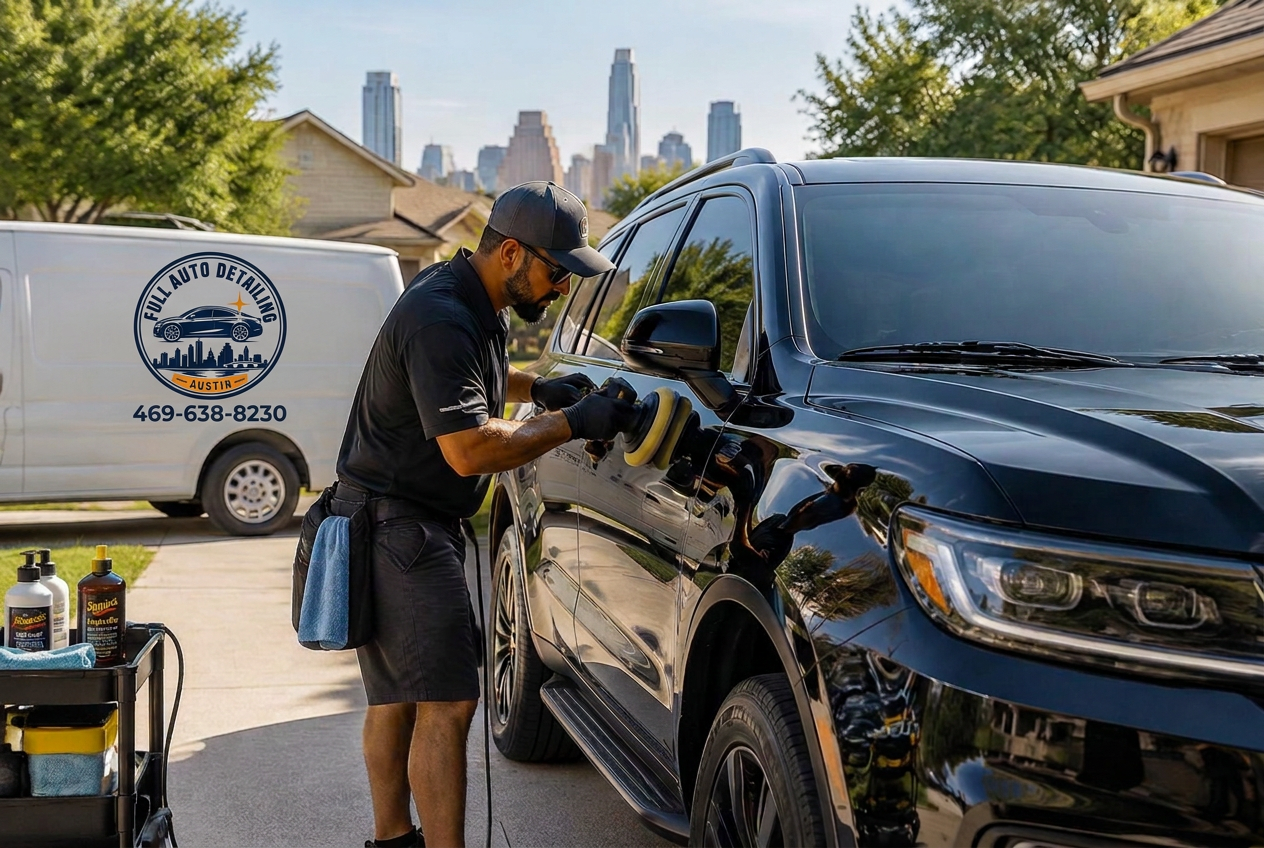
A coating adheres to the surface it is given, so washing, decontamination, and residue removal are fundamental. An iron remover can address suitable ferrous contamination, while a clay bar may be appropriate for remaining bonded material. Neither step should be performed carelessly or automatically with aggressive products. If polishing is needed, a test spot helps determine the least aggressive method that achieves an acceptable finish without removing unnecessary clear coat.
Paint correction and ceramic application should be itemized clearly. Some owners want maximum gloss; others prefer preserving paint thickness and accepting minor defects. A paint depth gauge can inform decisions on compatible substrates, but it does not identify the exact clear-coat thickness on every vehicle. Repainted areas, edges, and unknown repair history require particular care. Product systems from Gtechniq or CarPro may specify different panel preparation and cure procedures, so ask which instructions govern the actual installation.
When is ceramic coating worth the cost in Austin?
Coating tends to make more sense when you plan to keep the vehicle, appreciate its appearance, and can commit to careful maintenance. It may be less compelling for a short-term vehicle, a car with failing clear coat, or an owner who expects regular brush washes to continue unchanged. Compare the full installed cost, including correction, with a simpler sealant routine. The more expensive option is not automatically the best match for your parking situation or priorities.
For budgeting, a typical ceramic-coating range discussed for Austin is $699–$1,899, with final scope depending on size, preparation, product, and coverage. Treat that as a planning range rather than a binding quote or universal market price. Ask whether trim, wheels, glass, and follow-up inspections are included. A clear explanation of exclusions and maintenance is more valuable than an unsupported promise that the application will last a fixed number of years under every condition.
How do you maintain a ceramic-coated car in Texas?
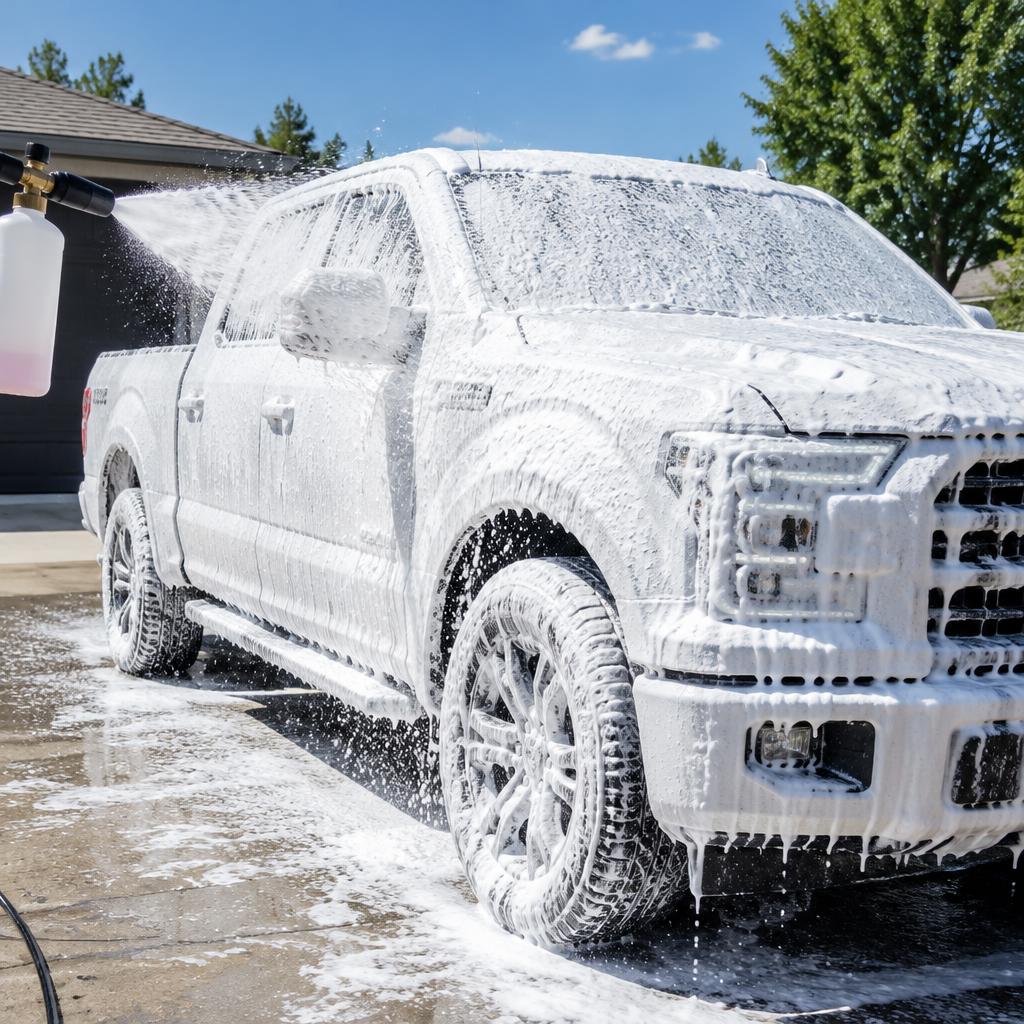
Use the installer's cure instructions first: allowable water exposure and the first wash interval vary by product. Once ready for routine cleaning, work on cool panels with a compatible shampoo and clean microfiber tools. Avoid assuming that every spray wax, water-spot remover, or strong degreaser is safe for the installed system. Document the product name so future detailers know what they are maintaining and can check the manufacturer's current care guidance.
Schedule washes around actual contamination, especially after highway trips, pollen accumulation, and mineral exposure. If water behavior changes, arrange a proper cleaning assessment before assuming the coating has failed. Full Auto Detailing Austin has 10 years in business and is open 8am–8pm daily; call 469-638-8230 to discuss preparation, suitable working conditions, and maintenance expectations. Ask for a scope that explains the coating, correction level, cure plan, and any written warranty terms without assuming certification or coverage.
Frequently asked questions
Will ceramic coating stop paint from fading?
It may help as part of a protective routine, but it cannot guarantee against fading or clear-coat failure. Shade and consistent maintenance still matter.
Can ceramic coating be applied outdoors?
Only when the product instructions and environmental conditions permit it. Direct sun, dust, wind, and unsuitable humidity can compromise application.
Does coating replace paint protection film?
No. Coating primarily changes surface behavior; paint protection film provides a different form of physical protection and can help against some chips.
How long does ceramic coating last?
Service life varies with formulation, preparation, exposure, and care. Use the specific product guidance and written coverage terms rather than a universal lifespan.
Topics covered: SiO2 · Austin · Texas · Gtechniq · CarPro · paint protection film · clear coat