Key takeaways
How often does an Austin car need a full detail?
A full detail every three to six months is a practical planning interval, not a rule for every vehicle. A garaged weekend car may need less frequent deep cleaning than a family SUV parked outside near MoPac. The right interval depends on accumulated soil, the condition of protective products, and how quickly interior surfaces become difficult to maintain. Start with an inspection rather than booking polishing or extraction automatically at every visit.
Separate routine washing from restorative work. Washing removes loose road film; detailing addresses embedded contamination, interior buildup, and specific finish concerns. Paint correction removes a small amount of clear coat and should be condition-driven, not a quarterly ritual. Likewise, seats should not be saturated with extraction simply because a calendar reminder appears. A sensible schedule uses gentle maintenance frequently and reserves more intensive procedures for an actual need.
How often should you wash exterior paint in Central Texas?
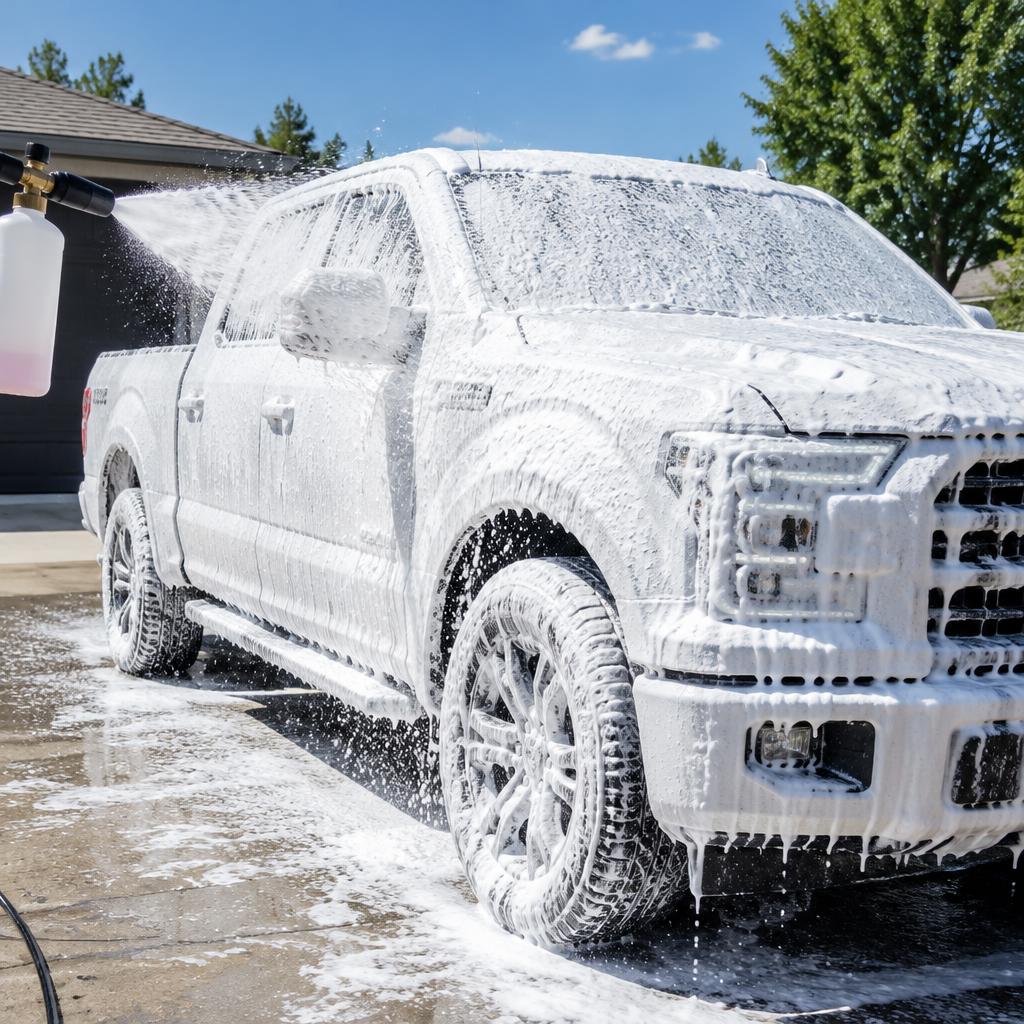
Begin with a gentle wash about every one to two weeks, then adjust for exposure. Highway travel on I-35 adds road film and insect residue, while outdoor parking exposes horizontal panels to dust and pollen. Use pH-neutral shampoo at the recommended dilution, clean wash media, and a careful drying method. If the surface is hot, move into shade and allow it to cool before applying chemicals or rinsing with mineral-rich water.
Edwards Aquifer groundwater can contribute hardness minerals to local water supplies, although water characteristics vary by source and treatment. Letting rinse water evaporate can leave deposits, so drying is part of the wash rather than an optional finishing step. Remove bird droppings with a compatible cleaner and adequate lubrication as soon as practical. Avoid rubbing a dry towel across dusty paint: the friction can create fine scratches even when the vehicle does not look especially dirty.
- Wash more frequently after heavy highway travel or outdoor exposure.
- Use shade, cool panels, and clean microfiber towels.
- Address bird droppings and sticky residue before the next scheduled wash.
How should Austin pollen and summer heat change your schedule?
Ashe juniper, often called mountain cedar, and live oak contribute to Austin's seasonal pollen load. Pollen sitting on paint is a reason to rinse and wash carefully, not a reason to sweep it away with a dry towel. During heavy accumulation, additional gentle washes may be appropriate. Tree sap and insect remains require separate attention because they can adhere firmly and may need a compatible spot treatment rather than extra scrubbing.
Triple-digit summers make washing conditions as important as frequency. Work early, seek shade, and avoid allowing shampoo or wheel cleaner to dry on a panel. Following a storm, inspect for debris and water spotting before assuming the rain cleaned the vehicle. Hail damage is a separate repair issue; detailing cannot remove dents or repair fractured paint. If storm damage exposes metal or compromises the finish, address the repair first and discuss when the repaired surface can safely receive protection.
How often should you deep-clean your car interior?
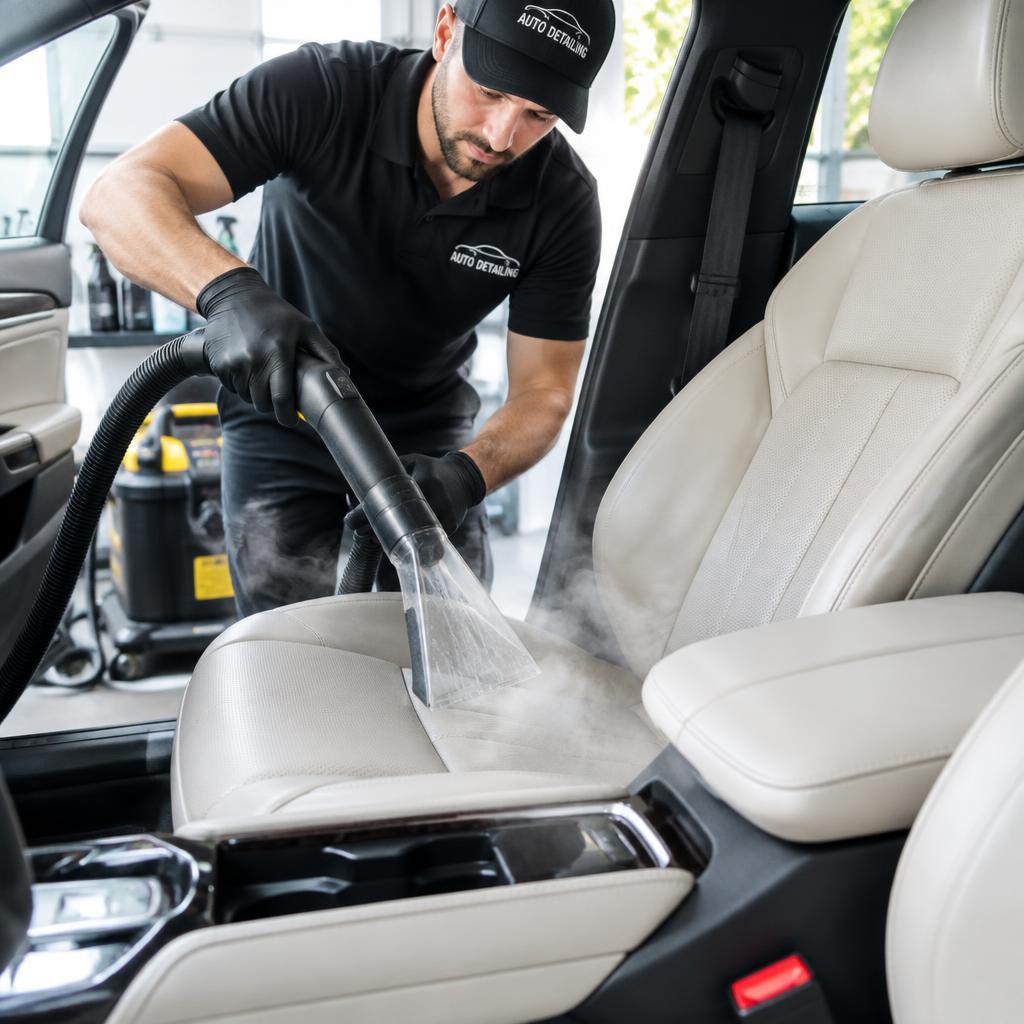
Vacuuming and wiping high-touch surfaces every week or two can make a quarterly or semiannual interior detail easier to manage. Vehicles carrying pets, children, work equipment, or rideshare passengers often need attention sooner. Focus on sand in carpet, food in seat tracks, body oils on steering wheels, and residues on armrests. A clean-looking dashboard does not necessarily mean the areas under seats or beneath removable mats are clean.
Treat spills promptly and identify the material before choosing a cleaner. Coated leather, synthetic upholstery, Alcantara, and fabric require different approaches. Excess moisture can remain in seat foam or carpet padding, particularly when a vehicle is closed before drying finishes. Persistent odor, sticky controls, or recurring glass film is a stronger signal for service than a particular date. If wet carpet or a musty smell returns, investigate leaks instead of repeatedly masking the symptom with fragrance.
Does ceramic coating change how often detailing is needed?
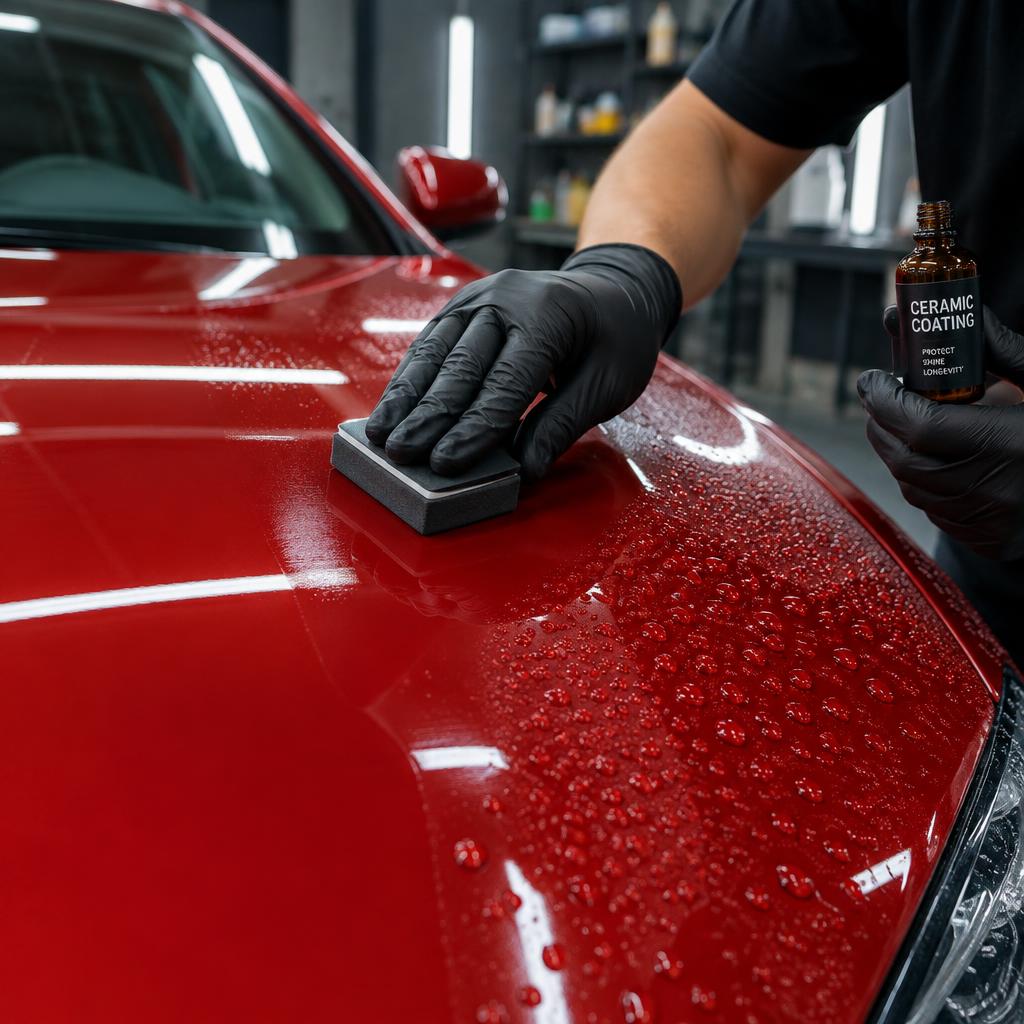
Ceramic coating can make routine cleaning easier, but it does not eliminate washing or contamination management. Many coatings use SiO2-related chemistry to create a durable surface layer, yet they can still accumulate mineral deposits, traffic film, and bonded particles. Follow the installed product's care instructions instead of assuming every coating accepts the same cleaners, wash interval, or maintenance topper. Products from brands such as Gtechniq and CarPro have product-specific requirements.
Inspect protection after a proper wash rather than judging it solely by water beading on a dirty panel. Weak beading can reflect contamination, while strong beading does not prove that paint is free of scratches. Wax and synthetic sealant also need renewal according to exposure and product guidance. Chemical decontamination with an appropriate iron remover may be useful when needed; routine clay bar use on every visit is unnecessary and can introduce marring that then requires polishing.
How can you create a practical detailing schedule?
Build a schedule around where the vehicle sleeps and what happens inside it. Note whether it is garaged, parked beneath trees, driven daily on construction routes, or used for trips to Lake Travis. Then choose a baseline wash interval and review the results after a month. If grime repeatedly becomes difficult to remove, shorten the interval. If the vehicle stays clean and protected, keep the simpler routine rather than purchasing unnecessary corrective work.
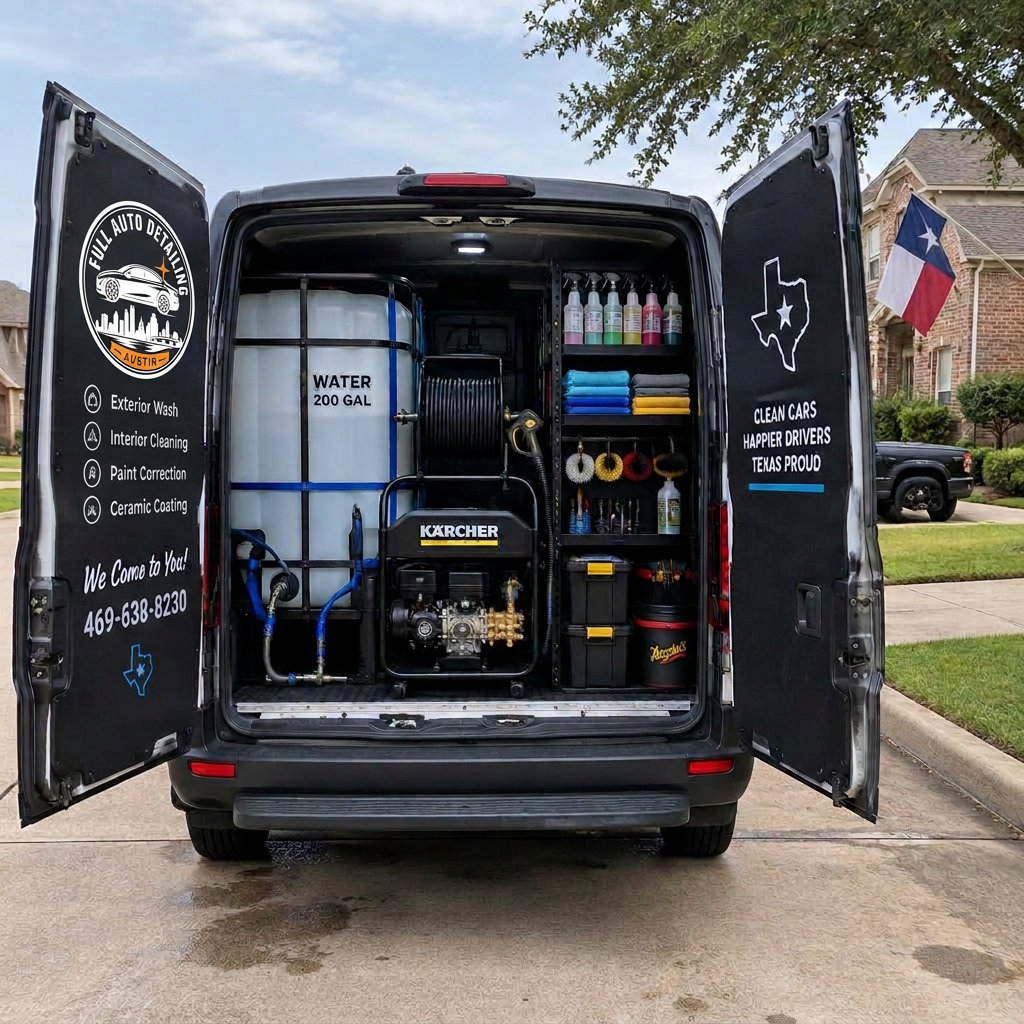
Keep a brief record of protection applications, spills, unusual contamination, and any paint repairs. That history helps a detailer select suitable chemicals and avoid needless abrasion. Full Auto Detailing Austin has been in business for 10 years and is open 8am–8pm daily. Call 469-638-8230 to discuss a condition-based maintenance plan, access requirements, and which services are actually included. A consistent, realistic routine is usually more useful than an ambitious schedule you cannot maintain.
Frequently asked questions
Is detailing every month too often?
Not for gentle maintenance, but monthly polishing or aggressive deep cleaning is usually unnecessary. Match the procedures to the condition of the vehicle.
Should I wash after every rain?
Not automatically. Inspect for road film, debris, and deposits, then wash if needed rather than wiping rain residue off dry paint.
Can a coated car use an automatic wash?
Follow the coating instructions. Contact brushes can still scratch coated paint, and strong chemicals may affect maintenance products.
Does a garaged car need detailing?
Yes, but often less frequently. Driving contamination, interior oils, and spills still accumulate even with covered parking.
Topics covered: Austin · MoPac · I-35 · Ashe juniper · live oak · Edwards Aquifer · SiO2 · Gtechniq · CarPro