Key takeaways
How does Texas sunlight affect clear coat and paint?
Automotive paint is a layered system, typically including a color layer protected by clear coat. Sunlight and weather exposure gradually challenge that system, while heat can accelerate chemical reactions and make surface contamination harder to manage. Dullness, chalkiness, cracking, and peeling do not all have the same cause. An inspection helps distinguish removable surface contamination from oxidation or clear-coat failure before money is spent on products that cannot solve the underlying issue.
Austin's triple-digit summers also make paint maintenance less forgiving. Bird droppings and mineral-rich droplets can dry rapidly on hot panels, increasing the importance of prompt, careful removal. A vehicle used daily on I-35 may combine sun exposure with road film, bugs, and construction dust. Protection should address that entire pattern rather than focusing only on a bottle labeled UV protection. Preserving sound clear coat and reducing avoidable contamination are more useful goals than chasing a permanently flawless finish outdoors.
What parking choices best protect paint from the sun?
A garage or well-designed carport reduces direct sun exposure and can simplify maintenance. When covered parking is unavailable, consider shade that does not introduce a worse contamination problem. Parking beneath live oaks may reduce direct sunlight while exposing the car to pollen, sap, and bird droppings. Evaluate the actual spot rather than treating all shade as equally beneficial. Move the vehicle when practical and inspect horizontal panels regularly during periods of heavy tree debris.
Car covers require care. A cover placed over dusty paint can rub particles against the finish, especially in wind. Choose a clean, correctly fitted cover suitable for the setting, and follow its instructions; it is not a substitute for washing. Windshield sunshades mainly address cabin exposure and do not protect the whole painted exterior. When parking outside is unavoidable, a realistic wash-and-protection routine is generally more dependable than repeatedly covering a dirty car in an exposed lot.
How should you wash a car during a Texas summer?
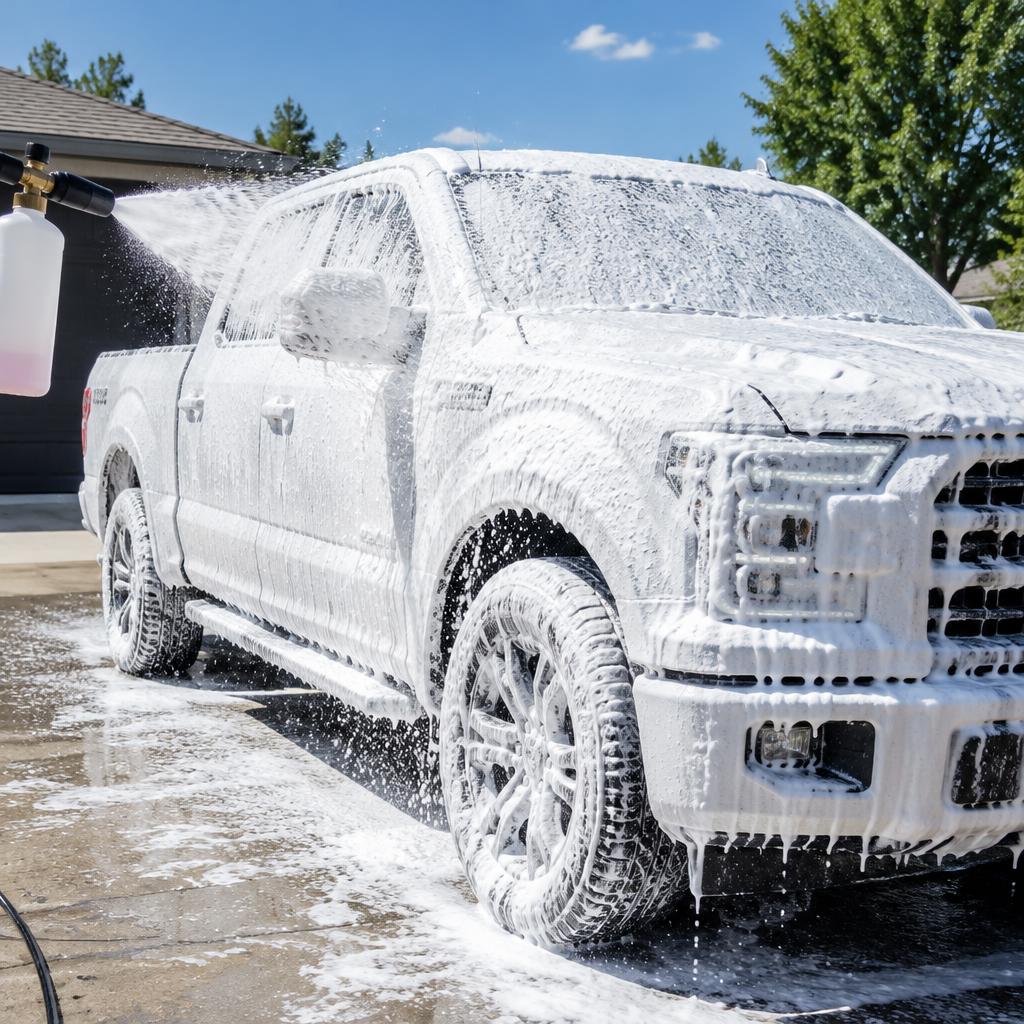
Wash early or work in genuine shade, allowing panels to cool first. Use pH-neutral shampoo at the specified dilution and keep products from drying on the surface. Clean mitts and separate wheel tools reduce the chance of transferring abrasive brake dust to paint. Rinse methodically, then dry with clean microfiber or suitable filtered air. A quick wash that leaves mineral-rich water evaporating across the hood can create another problem instead of completing the maintenance task.
Remove contamination without dry rubbing. Soften bird droppings with a compatible cleaner, allow appropriate dwell time, and lift them carefully with a clean towel. Tree sap and bug remains may need dedicated products, tested on an inconspicuous area and used according to instructions. Avoid household abrasives or strong solvents chosen only because they work quickly. If a stain remains after safe cleaning, stop and assess whether the clear coat is etched rather than repeatedly scrubbing the same spot.
Should you choose wax, sealant, or ceramic coating?
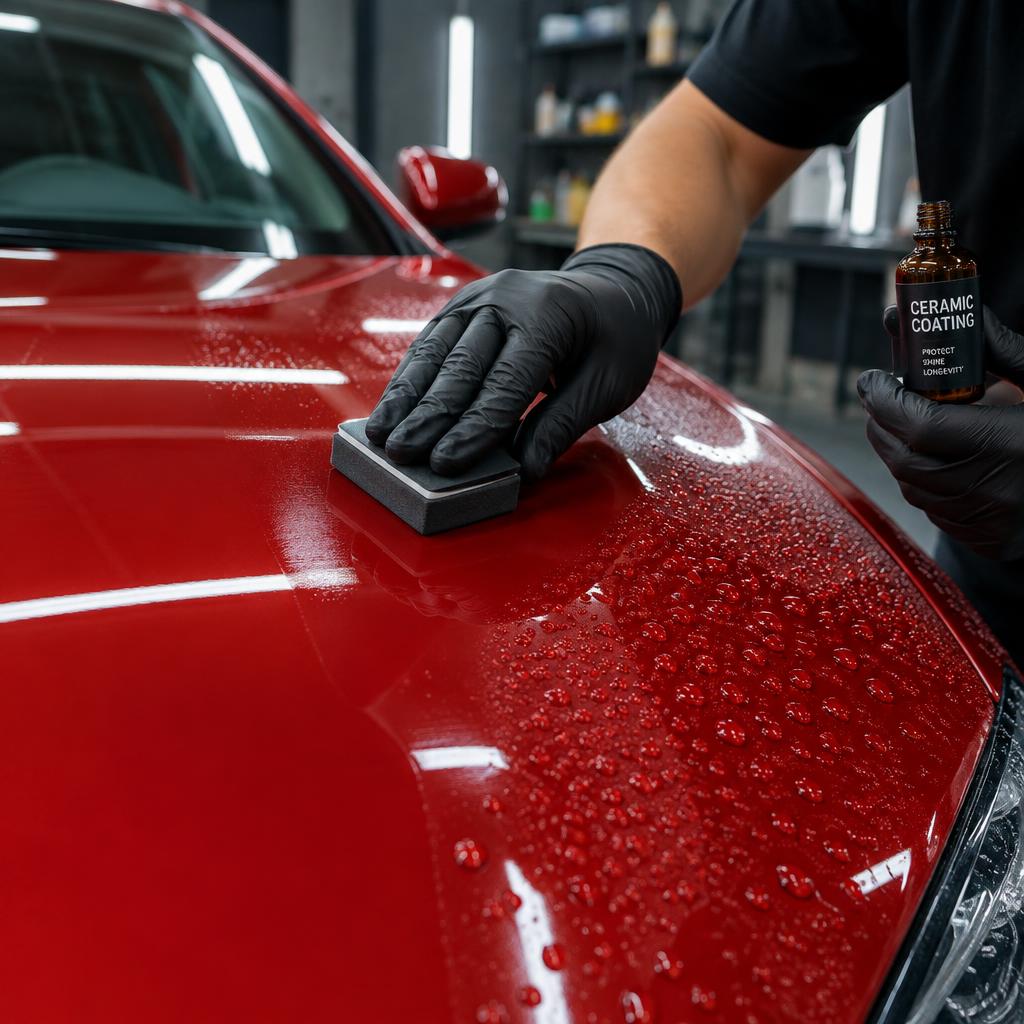
Wax can provide appealing gloss and a renewable sacrificial layer, while synthetic sealants often offer a practical balance of cost and maintenance effort. Ceramic coatings can deliver longer-lasting surface behavior when preparation and care are appropriate. Actual durability depends on formulation and exposure, not just product category. A frequently washed outdoor vehicle may need different upkeep than a garage-kept car, and manufacturer instructions should guide renewal rather than a universal expiration date.
Choose protection around your habits. If you enjoy regular application, wax or a sealant may be sufficient. If you plan to keep the vehicle and want easier cleaning, a professionally prepared ceramic coating may be worth considering. SiO2 on a label does not by itself establish coating quality or service life. Ask what the product is, how it is applied, and what maintenance is expected. None of these options repairs failing clear coat or prevents damage from hail and stone impacts.
- Wax suits owners comfortable with frequent renewal.
- Sealant can simplify routine protection at a moderate cost.
- Ceramic coating requires preparation, curing, and continued washing.
Can paint protection film prevent sun and road damage?
Paint protection film is a different tool from wax or ceramic coating. A suitable automotive film can help absorb some road-debris impacts and reduce certain surface abrasions on covered panels. It does not make the car immune to rock chips, hail, or collisions. Product construction, installation quality, age, and maintenance influence performance. Discuss coverage areas such as the front bumper and hood if highway debris is a major concern on your regular route.
Do not assume every film provides the same UV behavior or that covering only part of a car guarantees identical aging across all panels. Ask about the specific film's written specifications, warranty, care requirements, and removal considerations. Film edges need gentle cleaning, and aging or damaged material may need professional attention. Coating can sometimes be applied over compatible film to improve cleaning behavior, but compatibility must be confirmed rather than treating all paint and film products as interchangeable.
When does sun-damaged paint need professional help?
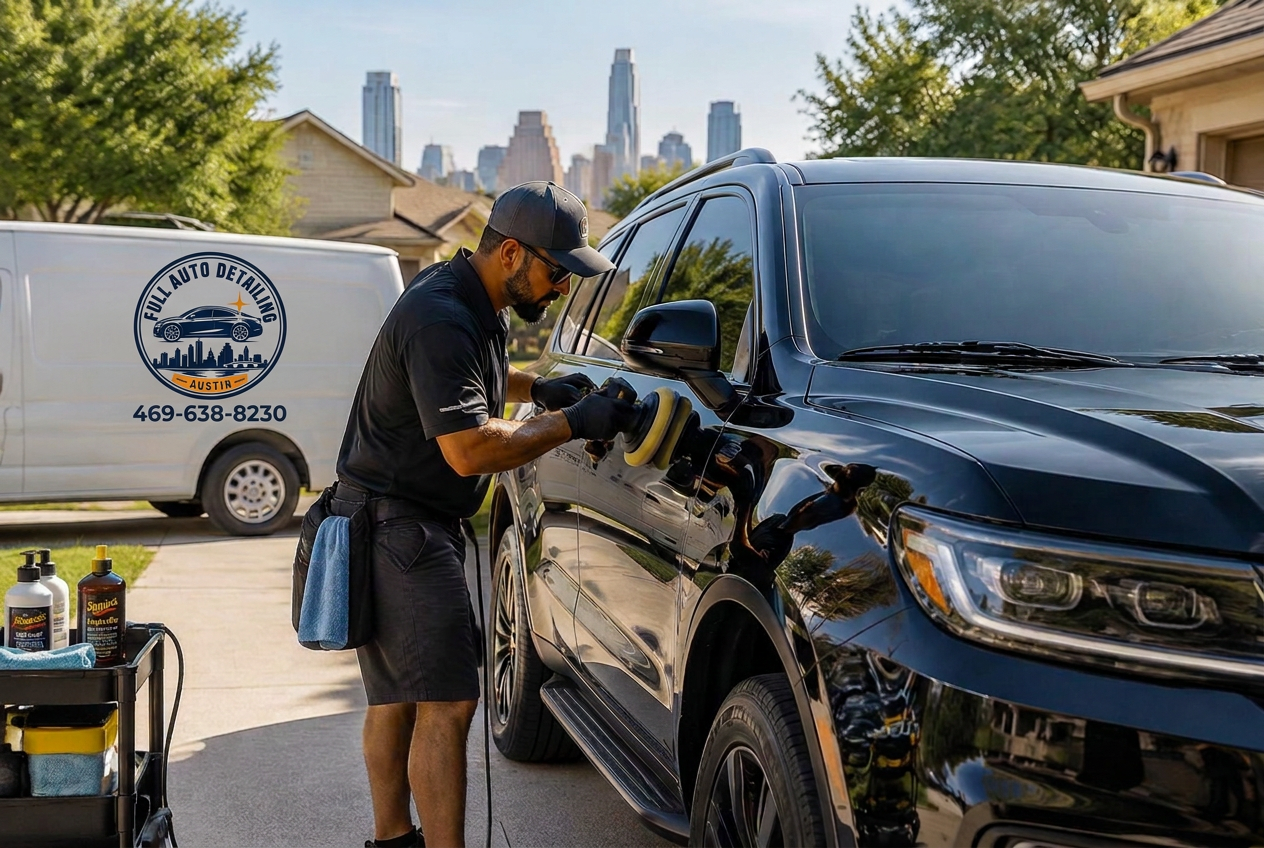
Book an assessment if the finish remains dull after washing, has persistent etched spots, or shows cracking and peeling. A dual-action polisher may improve certain surface defects, but polishing removes material and cannot rebuild missing clear coat. A paint depth gauge can help assess some panels, although readings have limitations and do not automatically reveal the remaining clear-coat layer. Thin edges, repainted sections, and failing finishes deserve conservative treatment or referral for refinishing.
For prevention, combine covered parking where possible with careful washing and condition-based protection renewal. Keep records of previous coatings and paint repairs so future work is compatible. Full Auto Detailing Austin has 10 years in business and is open 8am–8pm daily. Call 469-638-8230 to discuss whether your paint needs routine exterior detailing, decontamination, correction, or a repair assessment. An honest plan should explain what can improve and what detailing cannot safely restore.
Frequently asked questions
Can ceramic coating stop all UV damage?
No. Product-specific protection claims have limits, and coatings do not replace sound clear coat, shade, or maintenance.
Should I wash my car in direct sunlight?
Avoid it when possible. Hot panels can dry chemicals and rinse water too quickly, increasing streaking and deposit risks.
Will polishing fix peeling clear coat?
No. Peeling indicates a failure that typically requires refinishing, not polishing or additional wax.
Does a windshield sunshade protect exterior paint?
It mainly reduces direct exposure inside the cabin. Exterior paint still needs its own protection and parking strategy.
Topics covered: Austin · Texas · I-35 · live oak · SiO2 · clear coat · paint protection film · dual-action polisher