Key takeaways
What is the best first step for protecting a Texas car interior?
Reduce direct solar exposure before adding more products. A garage, carport, or covered parking structure shields the dashboard and seats more effectively than a dressing can. When covered parking is unavailable, use a windshield sunshade that fits closely without forcing it against trim, cameras, or mirror-mounted sensors. Install it only when parked and remove it completely before driving.
Austin errands can mean repeated outdoor parking from South Congress to the Domain. Keep a shade within reach so using it becomes routine, not an occasional response to extreme heat. Tree shade can help, but avoid damaged branches and remember that sap and bird droppings create exterior maintenance needs. The sun's position changes, so a shaded morning space may be exposed all afternoon.
Can window tint protect a car interior from Texas heat?
Quality automotive window film can reduce solar heat gain and UV exposure, depending on its construction and the vehicle's existing glass. Darker does not automatically mean better heat rejection. Compare documented performance for the exact film and shade, distinguishing visible light transmission from total solar energy rejection and narrowly specified infrared claims.
Have an installer check current Texas Department of Public Safety window-tint requirements, including windshield restrictions, visibility rules, and any applicable exemptions. Do not choose a film based only on appearance or assume a clear film is unrestricted everywhere. Ask how installation affects antennas, defroster lines, cameras, and any existing aftermarket film.
Tint slows some heat gain but cannot keep a parked cabin cool indefinitely. It also cannot prevent all fading or material aging. Follow film aftercare instructions, use compatible nonabrasive glass cleaners, and keep rough tools away from the film. Combine it with shade and good material care rather than treating it as a complete solution.
How should you protect dashboards, leather, vinyl and screens?
Clean first, then apply protection that is compatible with the specific material. For dashboard plastics and vinyl, choose an automotive interior protectant with documented UV-related claims and a low-gloss finish. Follow its application directions and wipe away excess. Greasy buildup attracts dust, can transfer to clothing, and may increase distracting reflections in the windshield.
Most modern automotive leather has a protective coating, so gentle cleaning and manufacturer-approved care matter more than loading it with oils. Uncoated leather, suede-like materials, and specialty upholstery need different products. Test discreetly, avoid soaking perforations or stitching, and never assume one conditioner suits every seat. A protectant cannot reverse cracked coatings or repair sun-damaged foam.
Screens, instrument clusters, and clear plastics are particularly easy to mark. Use the manufacturer's recommended method and apply any permitted cleaner to a towel rather than directly to electronics. Keep dressings off steering wheels, pedals, shift controls, and other grip surfaces. A slippery control is a safety problem, even when the rest of the cabin looks freshly detailed.
What cleaning habits help an interior survive Central Texas summers?
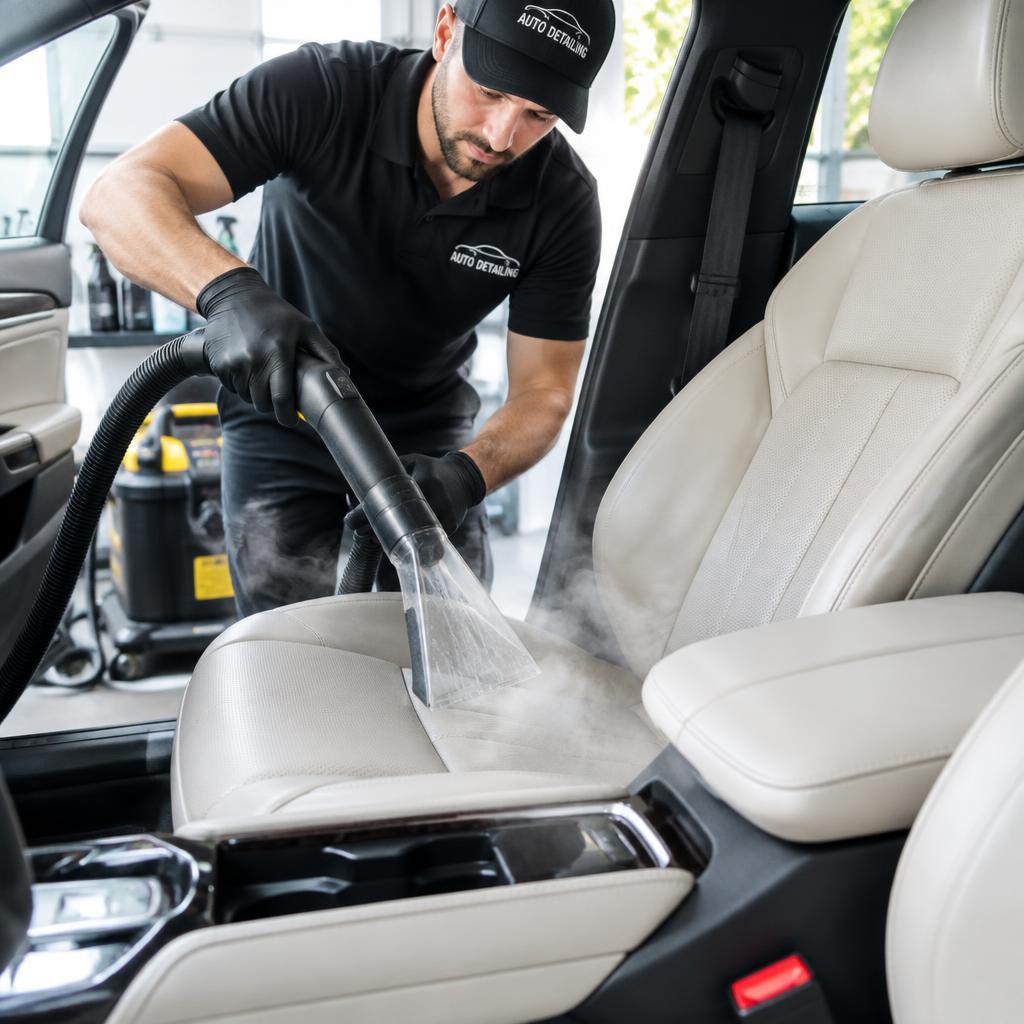
Remove drink spills, sunscreen, body oils, and food residue promptly using a material-appropriate method. Heat can make sticky contamination harder to remove and intensify odors. Vacuum sand and grit before they abrade upholstery, especially around seat seams and floor mats. Ashe juniper pollen and live oak debris tracked into the cabin are reasons to clean regularly, not to use stronger chemicals.
Use minimal moisture on sensitive areas and allow cleaned fabrics to dry completely. Headliners should not be saturated, and wet mats should not be returned to a closed vehicle. After summer thunderstorms, check for damp carpet, blocked drainage symptoms, or a musty smell. Trapped moisture deserves investigation even when daytime temperatures are high.
Inspect monthly for fading, sticky trim, cracking, and product residue. Adjust cleaning frequency to use: a family SUV visiting Barton Springs and a lightly driven garaged coupe have different needs. Follow product reapplication guidance rather than layering dressing every week. More product can create buildup without adding meaningful protection.
What cannot protect occupants or belongings in a hot parked car?
Never leave children, pets, or anyone unable to exit safely in a parked vehicle. Cracked windows, tint, a sunshade, and shaded parking do not make it safe. If someone is in immediate danger, call 911. Avoid relying on an unattended running vehicle or an app connection as the only safeguard against cabin heat.
Remove heat-sensitive belongings such as medications, electronics, power banks, and pressurized containers according to their storage instructions. Ventilate a hot cabin before settling in when conditions allow, then use the air conditioning normally. Service weak cooling performance rather than assuming stronger tint will compensate for a failing HVAC system.
Full Auto Detailing Austin has 10 years in business and can help plan material-conscious interior maintenance for Central Texas driving. Call 469-638-8230, 8am to 8pm daily, to discuss interior detailing and an upkeep routine. Tell us about delicate upholstery, existing film, and sun-damaged areas so care recommendations match the vehicle rather than a generic product package.
Frequently asked questions
Will ceramic coating on the paint cool my interior?
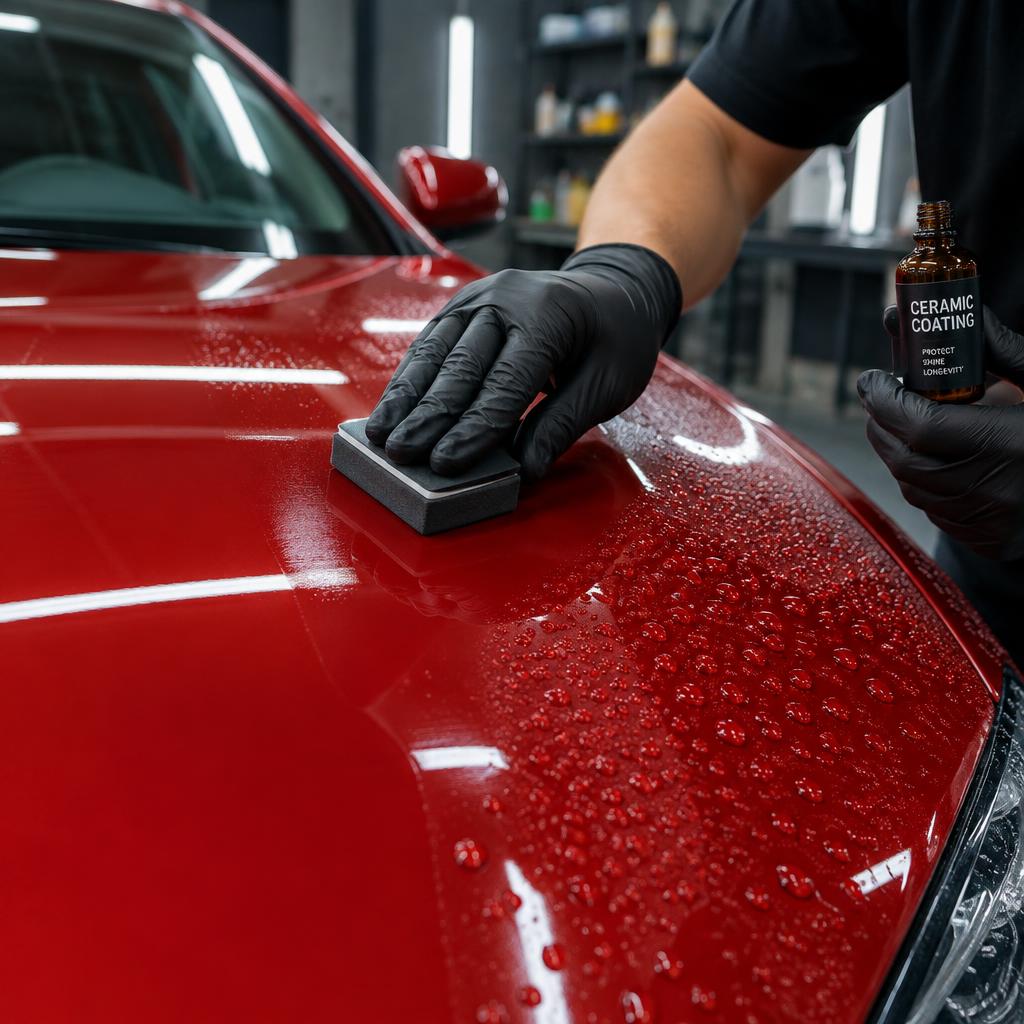
Exterior paint coating is not a meaningful cabin-cooling strategy. Prioritize covered parking, a windshield sunshade, appropriate window film, and a functioning air-conditioning system.
Should I use a shiny dashboard dressing?
A low-gloss, compatible protectant is usually preferable because high shine can reflect in the windshield. Apply sparingly and keep it off driving controls.
Does leather conditioner prevent all heat cracks?
No. Material type, coating condition, exposure, and cleaning all matter. Use manufacturer-approved care and reduce sunlight; conditioner cannot guarantee against aging or repair existing damage.
Is leaving windows slightly open enough to keep a car safe?
No. Slightly open windows do not prevent dangerous cabin heat. Never leave a child, pet, or vulnerable person in a parked car.
Topics covered: Full Auto Detailing Austin · Austin · Central Texas · Texas Department of Public Safety · South Congress · the Domain · Barton Springs · Ashe juniper · window film · UV protectant