Key takeaways
How is mobile detailing different from a regular car wash?
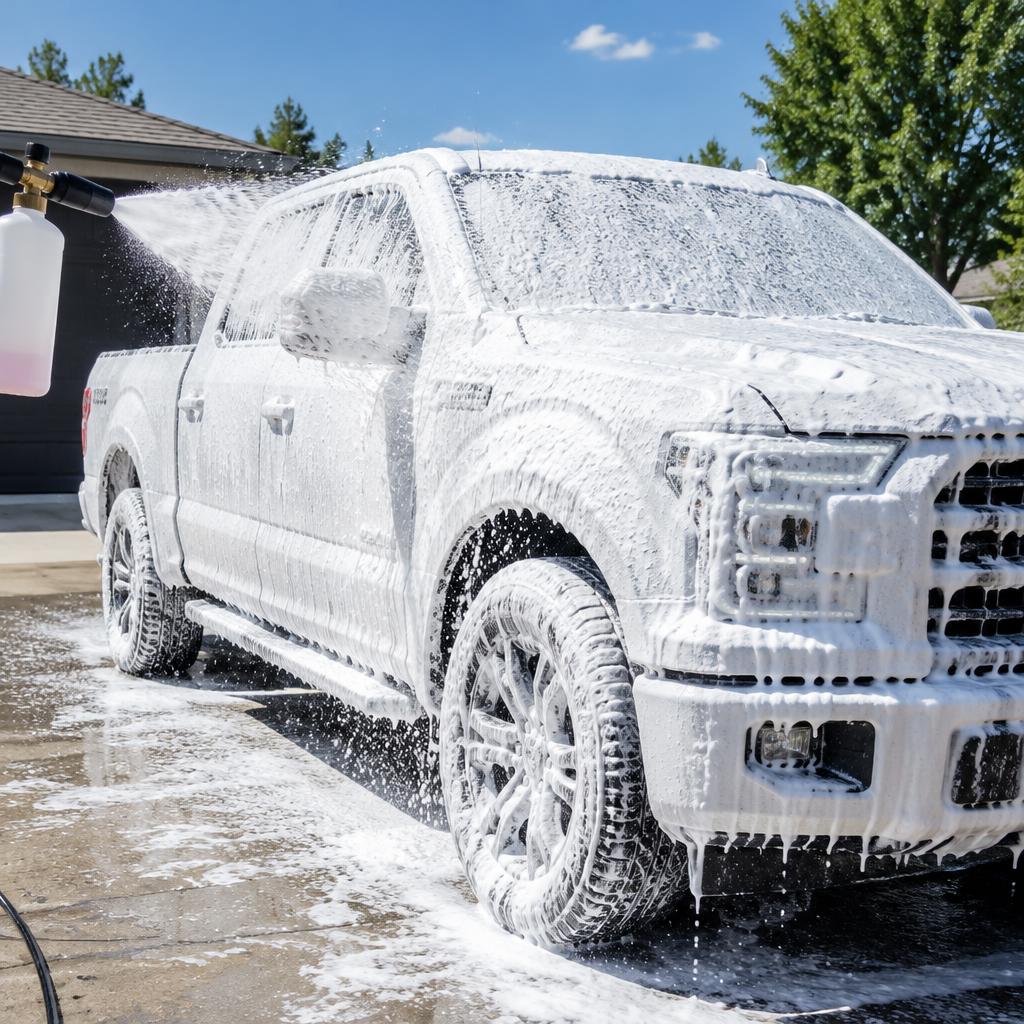
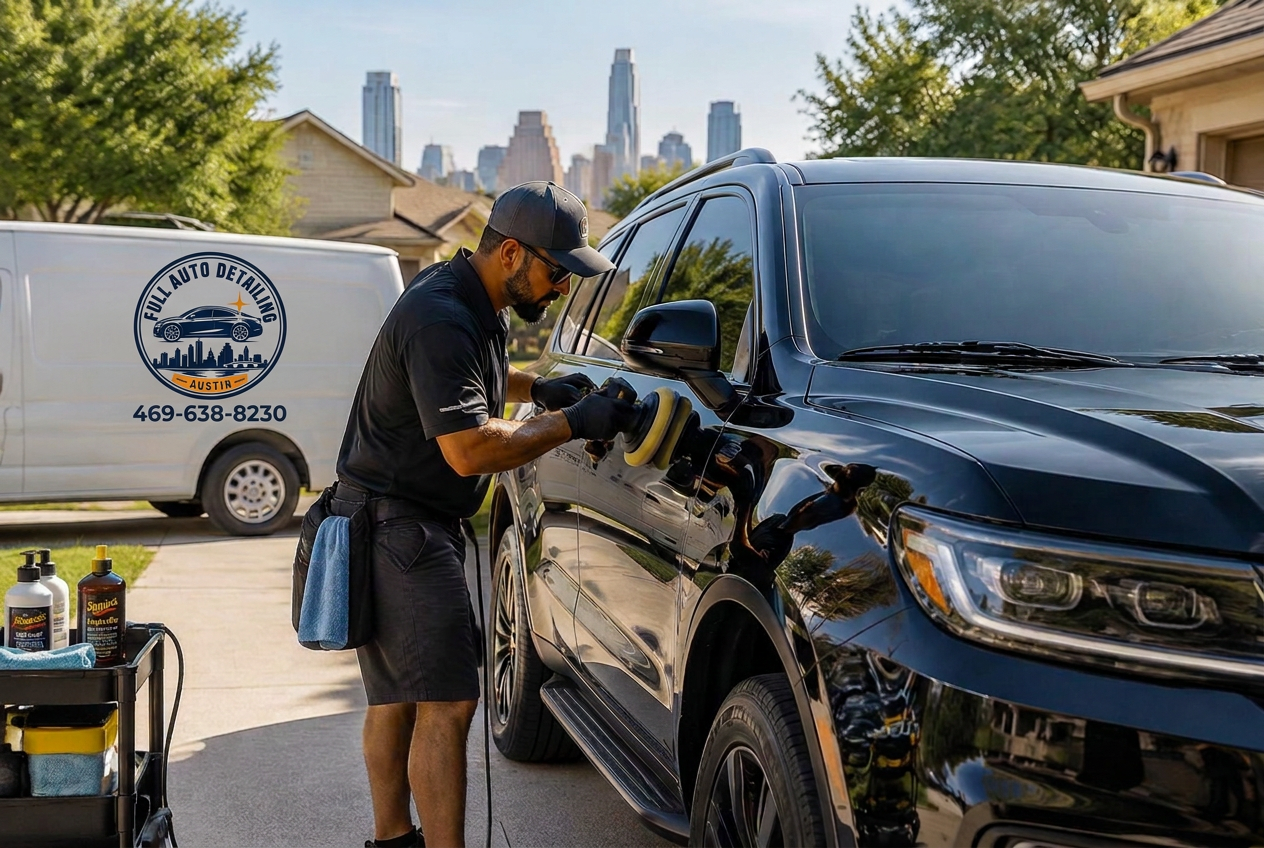
A regular car wash usually emphasizes speed and a standardized cleaning sequence. Mobile detailing brings equipment and labor to your location and can tailor the process to your vehicle's condition. Depending on the booking, that may include wheel cleaning, careful contact washing, interior work, contamination removal, or protective products. The word detailing alone does not establish the scope, so compare the actual steps rather than relying on package names.
Neither format guarantees quality. A mobile operator using dirty towels can create scratches, while a well-managed wash may provide a useful maintenance option between appointments. The main advantage of individualized detailing is the opportunity to inspect surfaces and change methods when necessary. That matters for delicate trim, matte finishes, aftermarket wraps, repainted panels, and existing ceramic coating. Ask how those differences are handled before the first chemical reaches the paint, not after a problem becomes visible.
Why can contact car washes create swirl marks?
Swirl marks are typically fine scratches made visible by a concentrated light source, not circular defects that only a circular machine can cause. When wash brushes, mitts, or drying materials drag abrasive particles across clear coat, they can leave marring. A tunnel's repeated contact creates a risk when grit is present or equipment is poorly maintained. Black and other dark colors often reveal these marks more readily, although light-colored vehicles can have the same damage.
Hand washing also carries this risk. A single dirty sponge used on wheels and paint can be worse than a carefully controlled maintenance process. Safer washing includes adequate rinsing, separate wheel tools, clean wash media, lubrication, and frequent inspection of towels. High pressure alone is not a solution: unsuitable nozzle distance or directing spray at damaged paint and vulnerable edges can create other problems. Technique and surface condition must guide both contact and pressure.
Is a touchless wash safer than mobile detailing?
A touchless wash removes the brush-contact variable, which can be useful when the alternative is an unknown contact tunnel. However, road film sometimes remains without mechanical agitation, and the chemistry may be more demanding on some waxes, sealants, or trim finishes. Product concentration, dwell time, and rinsing vary by facility. There is no universal rule that all touchless washes strip protection or that every one is safe for every surface.
Check the care requirements for coatings, wraps, and specialty finishes before choosing a wash. If the car leaves with visible grime, do not wipe that residue off with a dry towel in the parking lot. Follow with an appropriate lubricated cleaning method when conditions allow. A careful mobile wash can remove that film with controlled contact, but only if the provider uses clean tools and suitable chemistry. The best comparison is the actual process and its limitations, not contact versus no contact alone.
How do Austin heat and hard water affect wash results?
In Austin's summer heat, water and chemicals can dry quickly on exposed panels. That increases the chance of deposits, streaking, and difficult cleanup regardless of whether the wash happens at home or at a facility. Mobile detailing needs a workable plan for shade, cool surfaces, and timely drying. If a driveway is fully exposed and too hot, a different appointment time or location may be preferable to rushing through an unsuitable setup.
Local water hardness varies, and Edwards Aquifer-related sources can contribute dissolved minerals. A final rinse is not complete paint care if droplets are left to evaporate. Ask whether filtered or deionized water is used when appropriate and how the vehicle is dried; do not assume a particular system is included. Also discuss runoff. Wash water containing dirt, oils, and cleaners should be managed under applicable local requirements, rather than allowed to enter a storm drain merely because a product is labeled biodegradable.
Which wash option fits your vehicle and budget?
Choose the lowest-intensity process that addresses the actual problem. A dusty daily driver may need a careful maintenance wash, while bonded contamination, stained upholstery, or neglected wheels require a more involved appointment. Routine washing should not automatically include clay treatment or machine polishing. Those procedures have specific purposes, and unnecessary abrasion adds cost while consuming some of the finish's limited correction potential. Ask what a basic wash excludes before comparing it with a comprehensive detail.
Convenience also matters. Mobile service can eliminate travel and waiting but requires suitable access, permission to work, and an agreed utility arrangement. A fixed wash may offer predictable access or controlled facilities that a crowded apartment lot cannot provide. Compare the total scope and any limitations, not just the starting price. If your vehicle has loose trim, damaged clear coat, or unusual accessories, disclose them so the provider can determine whether the proposed method is suitable.
- Use a maintenance wash for routine dirt.
- Choose a detail for targeted cleaning and protection.
- Reserve polishing for defects that justify clear-coat removal.
What should you ask before booking a paint-safe wash?
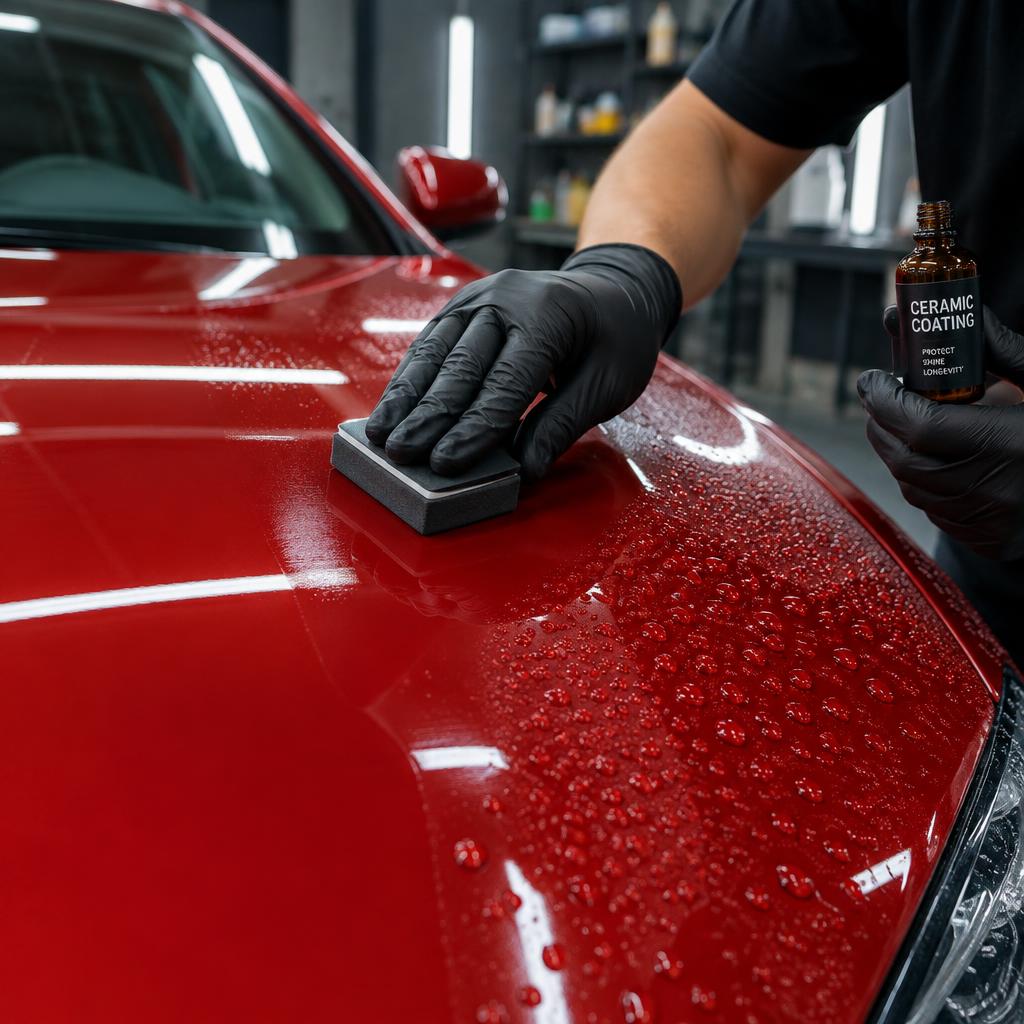
Ask whether wheel tools are separated from paint tools, how microfiber towels are cleaned, and how drying is handled. Discuss existing wax, ceramic coating, or paint protection film and ask whether the products are compatible. If paint correction is suggested, request a separate explanation of the defects, expected improvement, and limits. A good conversation should distinguish washing, decontamination, protection, and correction instead of treating them as interchangeable services with identical risk.
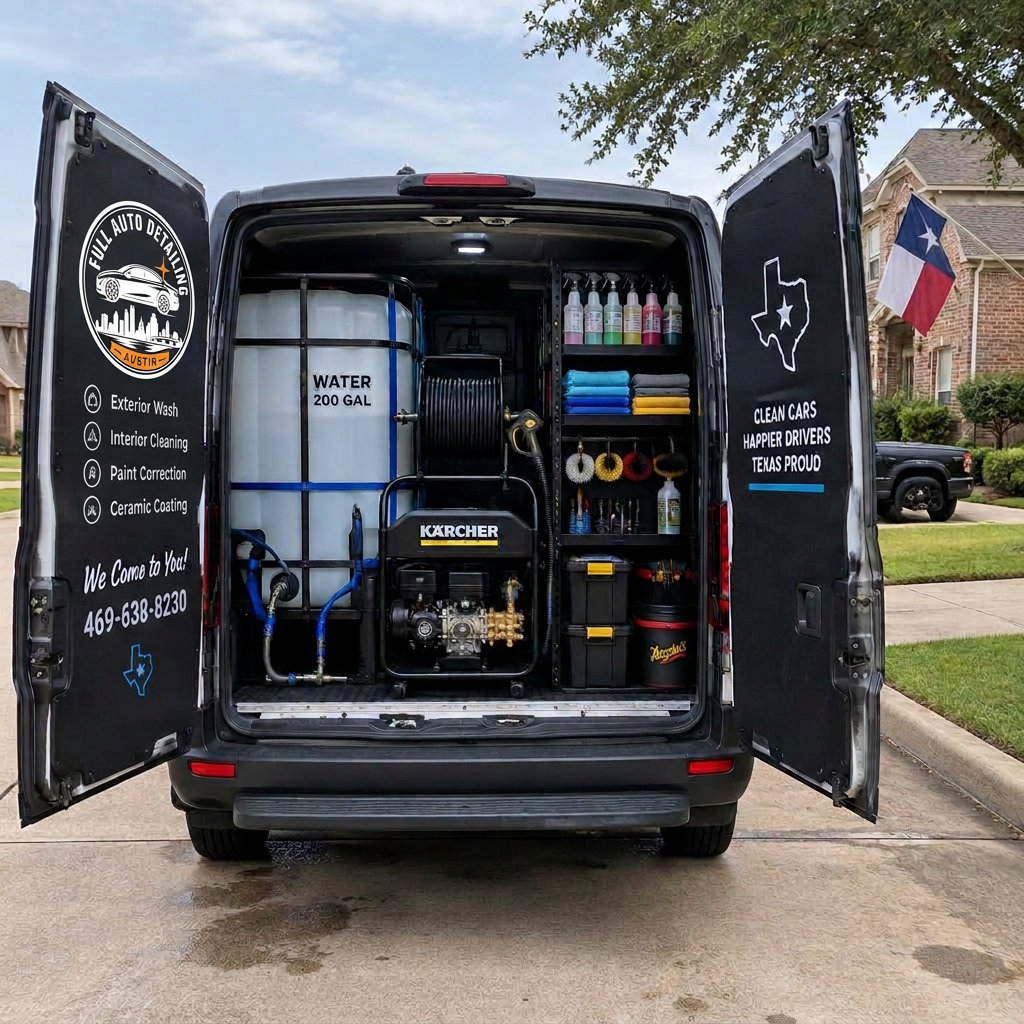
Full Auto Detailing Austin has been in business for 10 years and is open 8am–8pm daily. Call 469-638-8230 to discuss your vehicle's condition, parking access, and an appropriate mobile detailing scope. Share photos of any damage and mention recent paintwork before booking. Whether you choose mobile service, a fixed location, or an occasional touchless wash, the goal is repeatable care that removes contamination without adding avoidable scratches or exposing damaged areas to unsuitable treatment.
Frequently asked questions
Is every automatic car wash bad for paint?
No universal judgment is accurate. Contact method, equipment maintenance, chemistry, and drying practices determine the risks.
Is a hand wash always safe?
No. Dirty wash media, insufficient lubrication, and abrasive drying can scratch paint during a hand wash.
Can mobile detailing remove existing swirls?
Washing will not remove scratches. A separately assessed paint-correction service may reduce them when the finish can be polished safely.
Do mobile detailers need my water and electricity?
Requirements vary by provider and service. Confirm utility needs, parking access, and runoff arrangements before the appointment.
Topics covered: Austin · clear coat · microfiber · Edwards Aquifer · ceramic coating · paint protection film