Key takeaways
What are swirl marks, and why do they look circular?
Swirl marks are fine scratches that become visible when light reflects from a painted surface. A concentrated light source can make scratches in many directions appear as a circular halo, so the pattern does not prove that someone polished the car in circles. Dark paint often reveals the effect strongly because the contrast is high. Light-colored vehicles can have similar defects even when they are harder to notice in ordinary daylight or a shaded garage.
Not every visible mark is a swirl. Mineral deposits, chemical etching, oxidation, sanding marks, and deeper scratches may require different treatment or may not be safely removable. Inspect clean paint under suitable lighting before choosing a process. If the finish is peeling or cracked, correction is not a substitute for repair. Accurate identification prevents wasted effort and reduces the temptation to use a strong compound on a problem that cleaning or refinishing, rather than routine polishing, should address.
What washing habits cause swirl marks on paint?
The common mechanism is grit being dragged across the finish. Dirty mitts, shared wheel-and-paint tools, rough drying towels, and contact brushes can all contribute. Wiping dust or pollen away without lubrication is another frequent source of marring. In Austin, seasonal Ashe juniper and live oak pollen can make a car look dusty quickly, but the urge to perform a quick dry wipe can create more work than a proper rinse and wash would require.
Even a careful owner can introduce scratches when tools are contaminated or used beyond their clean working capacity. A towel dropped on the driveway should be removed from paint duty, not shaken once and reused. Pressure rinsing helps remove loose soil but does not guarantee a completely grit-free surface. Adequate lubrication, fresh wash media, separate wheel tools, and deliberate drying reduce risk. Protective products can improve cleanability, but neither wax nor ceramic coating makes abrasive contact harmless to the clear coat.
How should paint be assessed before swirl removal?
Start with a gentle wash and inspect for bonded contamination. A suitable iron remover can address some ferrous particles, while a clay bar may be needed for other deposits. Use the least aggressive effective decontamination method because clay itself can mar paint. Clean surfaces make inspection more reliable and reduce the chance of dragging contamination into a polishing pad. Existing protection and recent paintwork should also be identified before applying chemicals or abrasives.
A paint depth gauge can provide useful information on compatible panel substrates, but many gauges report total coating thickness rather than the clear-coat layer alone. Readings do not guarantee that every area can tolerate a particular cut. Edges, body lines, repaired panels, and plastic components require additional judgment. A test spot helps determine how the paint responds and what improvement is realistic. If the history is unknown or the finish is compromised, preserving the remaining material may be the correct outcome even when defects remain.
How does polishing remove swirl marks safely?
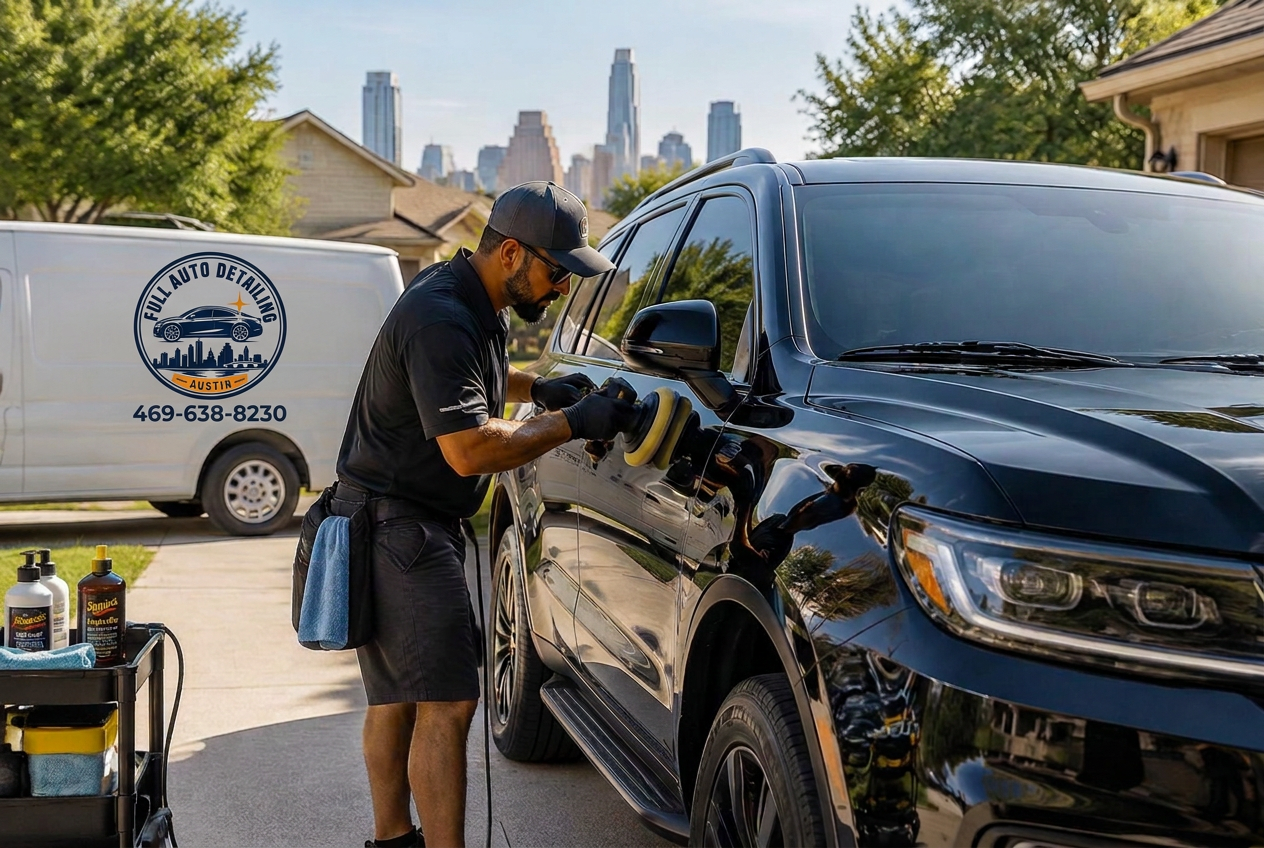
Polishing refines the surface by removing a controlled amount of material around shallow defects. A dual-action polisher, suitable pad, and appropriate polish can often improve common wash marring, but the combination must match the paint and condition. The least aggressive effective test spot is a sensible starting point. More pressure, more speed, or a stronger compound is not automatically better and can increase heat, leave haze, or remove unnecessary clear coat.
Some vehicles respond well to a one-step correction, while others benefit from separate cutting and refining stages. Deeper scratches may need to remain because leveling them would sacrifice too much finish. Compounds and polishing oils can temporarily influence appearance, so the result should be inspected after appropriate residue removal and under useful lighting. A responsible service explains the expected improvement and limitations rather than promising complete removal of every scratch or selling a universal percentage without inspecting the vehicle.
- Inspect and decontaminate before polishing.
- Use a test spot to choose the mildest effective combination.
- Accept deeper defects when further cutting would risk the finish.
Can wax or ceramic coating hide or remove swirls?
Some waxes, glazes, and filling products temporarily reduce the appearance of fine marks by changing how light reflects. That can be useful when an owner wants a cosmetic improvement without abrasive correction, but it is not permanent scratch removal. Once the fillers wear away or are cleaned off, the marks may become visible again. Ask whether a proposed service corrects defects, conceals them, or simply protects the existing finish so the result matches your expectations.
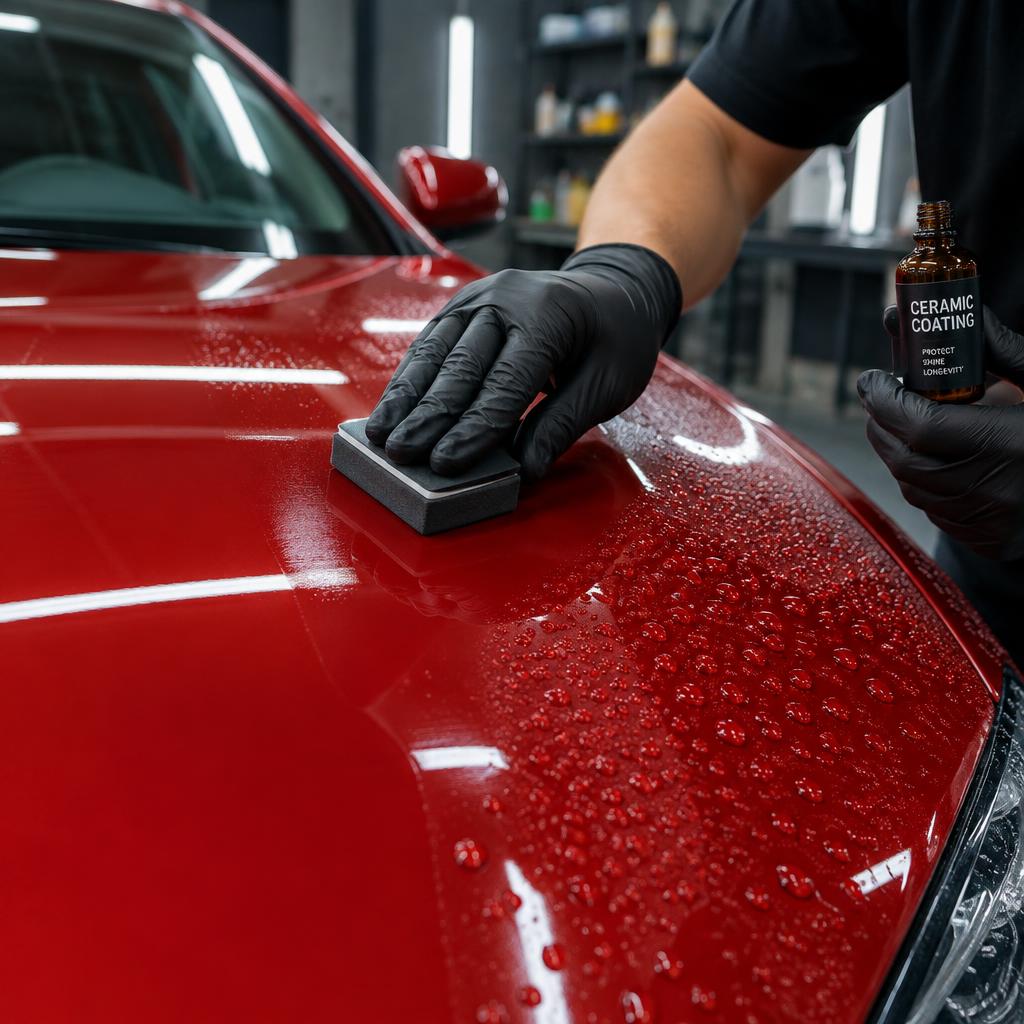
Ceramic coating generally preserves the surface condition underneath rather than erasing scratches. Correcting the finish first may improve appearance, but not every vehicle needs a major correction before protection. If the owner accepts light marring, a conservative preparation and protection plan can be reasonable. Coating also does not prevent future swirls from dirty wash media. Paint protection film serves a different physical-protection role, and neither option should be sold as permission to return to abrasive washing habits without consequences.
How can you stop swirl marks from coming back?
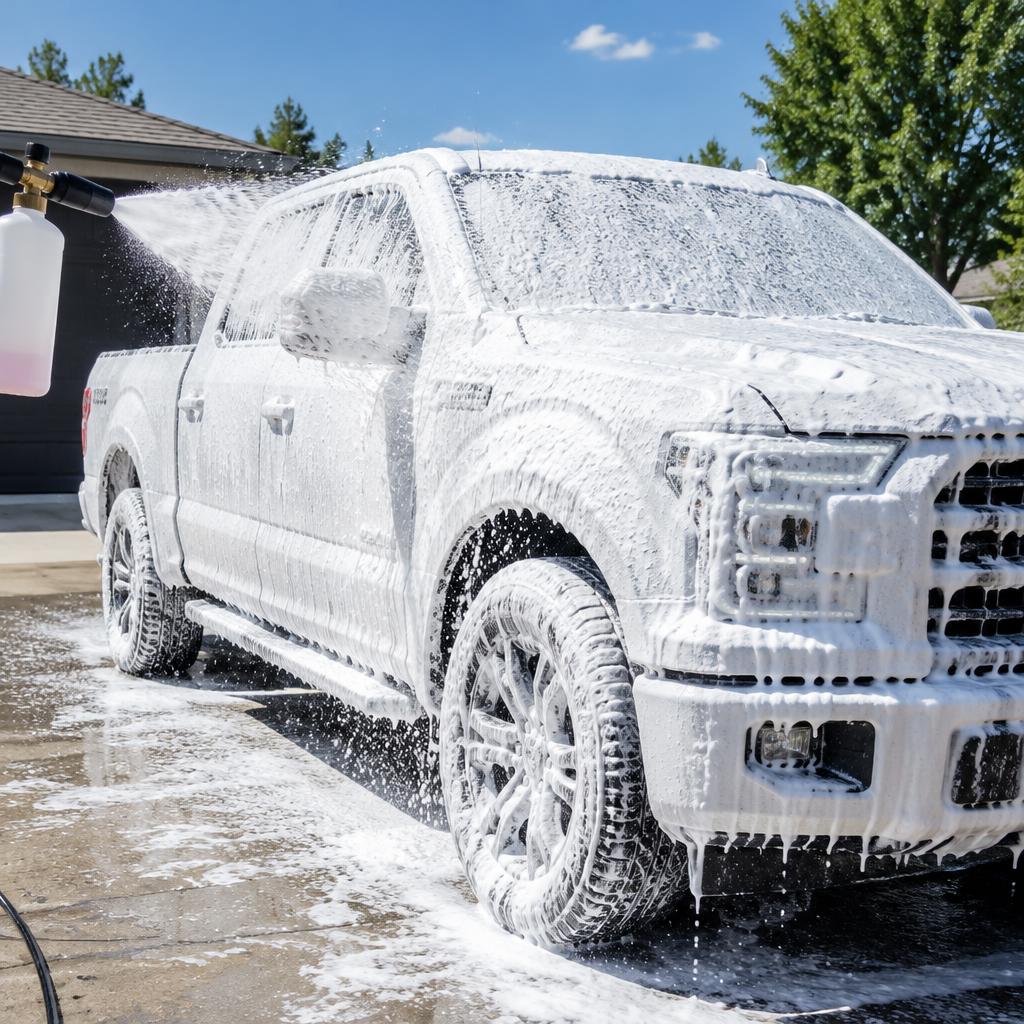
Improve the maintenance routine before investing in correction. Wash on cool panels with appropriate shampoo, use clean microfiber media, keep wheel tools separate, and dry without pressing grit into the paint. Avoid dry dusting between washes. In Austin's heat, work in shade when possible so shampoo and rinse water do not dry while you are cleaning. Keep towels clean, inspect their condition, and set aside anything that feels rough or has collected contamination from floors or wheels.
Correction should be condition-based rather than repeated on a fixed monthly or yearly schedule. Keep a record of prior polishing and repairs so future decisions consider the finish's history. Full Auto Detailing Austin has been in business for 10 years and is open 8am–8pm daily. Call 469-638-8230 for a paint-correction assessment and a discussion of realistic improvement, protection, and maintenance. A durable result depends on both careful corrective work and the washing habits that follow it.
Frequently asked questions
Can swirl marks be removed by hand?
Very light marring may improve with suitable hand polishing, but results are limited and uneven work can occur. Inspection should guide the approach.
Are swirls only visible on black cars?
No. Dark colors often show stronger contrast, but any painted finish can develop fine scratches from abrasive contact.
Will polishing remove all scratches?
No. Deep scratches may be unsafe to level, and damaged or thin finishes may need repair rather than more polishing.
How often should I get paint correction?
Only when condition and remaining finish justify it. Polishing removes material, so prevention is preferable to frequent corrective abrasion.
Topics covered: clear coat · dual-action polisher · paint depth gauge · clay bar · iron remover · Ashe juniper · live oak · Austin