Key takeaways
What is the difference between wax, sealant, and ceramic coating?
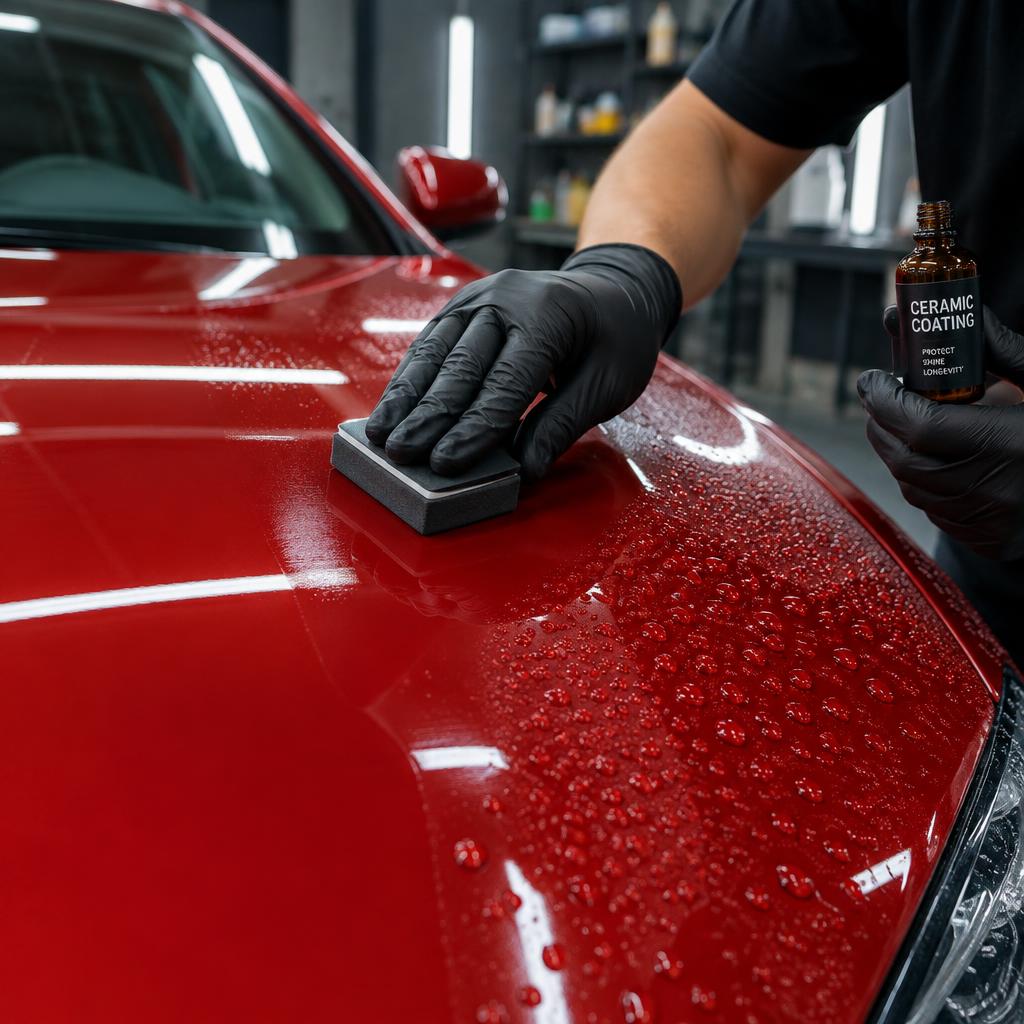
Traditional automotive waxes often contain carnauba or other wax ingredients blended with carriers and additives. Synthetic paint sealants use engineered protective ingredients and may be sold as liquids, pastes, or sprays. Ceramic coatings typically cure into a more durable surface layer using formulations that may involve silanes, siloxanes, or related SiO2 chemistry. Product labels overlap, so names alone cannot tell you the exact chemistry, performance, or application process of a particular bottle.
A spray marketed as ceramic wax is not necessarily equivalent to a cured professional coating. Likewise, some hybrid sealants can outperform an older product in another category under particular conditions. Compare manufacturer instructions, required preparation, coverage, cure conditions, and care requirements. Gloss is not a reliable way to identify what is on the paint: polishing and surface cleanliness can influence appearance more than the chosen protection. All three categories work best on sound, properly cleaned paint rather than neglected or failing clear coat.
Which paint protection usually lasts longest?
As a broad planning guide, conventional wax protection is often measured in weeks to a few months, many sealants in months, and suitable cured coatings in years under their specified conditions. Those are category-level expectations rather than promises. Some spray products need frequent reapplication, and some durable sealants can provide useful service for longer than a poorly installed or neglected coating. Always tie an expected lifespan to an identified product and the way the vehicle will actually be used.
An outdoor daily driver near Austin construction traffic experiences different demands from a garaged weekend car. Frequent harsh washing, abrasive contact, mineral deposits, and long periods of contamination can reduce apparent or actual performance. A coating warranty may also depend on documented maintenance or contain exclusions. Ask what the term covers: loss of gloss, chemical staining, water behavior, and physical damage are not interchangeable. No honest comparison should convert a maximum marketing claim into a guaranteed result for every driver.
How does surface preparation change protection durability?
Protection works more predictably when applied to a clean, compatible surface. A careful wash removes loose dirt, while targeted chemical decontamination may address iron particles or other bonded contamination. A clay bar can remove remaining deposits when appropriate, but it can also create marring. Mechanical decontamination should be based on need, not included aggressively just to make a package sound comprehensive. Rinsing and drying must be completed without leaving cleaner residue or new mineral spots.
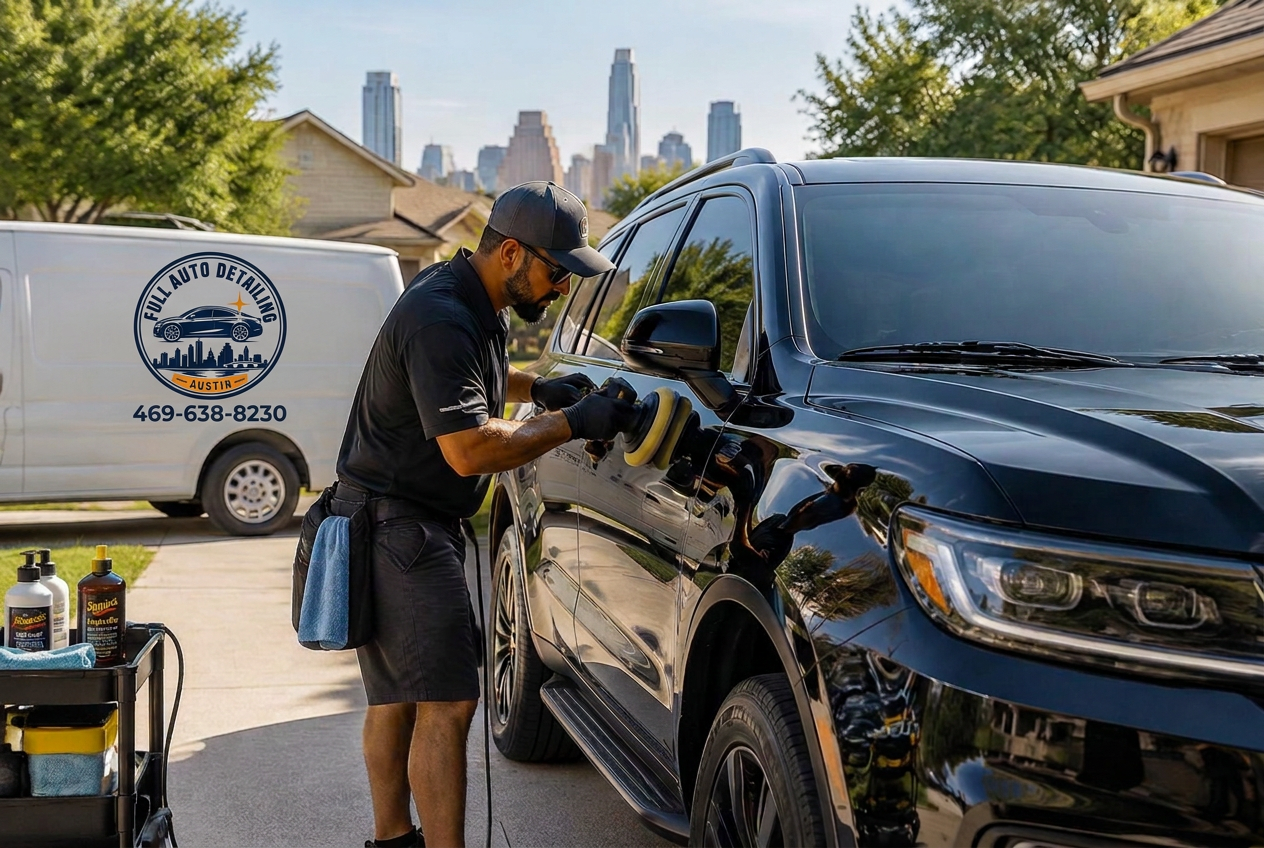
Polishing is a separate decision. It can improve defects and clarity before protection, but it removes a small amount of clear coat and is not required in the same intensity for every vehicle. A test spot and suitable inspection help set a conservative correction plan. Coatings usually need carefully specified panel preparation and cure conditions; waxes and sealants also have product-specific instructions. Applying any protection over oils or incompatible residue can compromise the result, even when the paint initially looks glossy.
Which protection works best in Austin heat and hard water?
Austin's heat favors a realistic maintenance plan over claims that a product can withstand a dramatic temperature number. A durable coating may make frequent cleaning easier, while a sealant can be economical to refresh as needed. Wax can still suit an owner who enjoys regular care and values its appearance. None of them makes rinse water safe to leave drying on a hot hood, and none prevents all damage from bird droppings or tree sap.
Edwards Aquifer-related water sources can contribute hardness minerals to local supplies, although the exact chemistry varies. Dry the car after washing, work on cool panels, and treat deposits before they become difficult to remove. Seasonal Ashe juniper and live oak pollen should be rinsed and washed away with lubrication rather than dusted off dry. The protection that works best is one paired with the right wash method, parking habits, and contamination response, not necessarily the most expensive bottle or installation.
How should you compare cost and maintenance effort?
Compare total ownership effort rather than application price alone. Wax often has a lower initial cost but typically needs more frequent renewal. Sealant can offer a useful middle ground for someone who wants straightforward protection without committing to a coating installation. Ceramic coating requires more preparation and usually a higher upfront cost, but it may reduce the effort needed for routine washing. It still requires washing and may need compatible maintenance products or periodic assessment.
Consider how long you will keep the vehicle and whether you can provide suitable parking and care. If you regularly use contact tunnel washes, correcting that habit may offer more value than buying a premium coating first. Ask whether quoted work includes correction, trim treatment, and future maintenance. A typical Austin ceramic planning range is $699–$1,899, but vehicle size, surface condition, product selection, and coverage determine the actual quote. Simpler protection may be the more sensible option for some vehicles.
- Choose wax for an inexpensive, frequently renewed routine.
- Choose sealant for a practical balance of durability and effort.
- Choose coating when preparation and long-term care fit your plans.
How do you know when to renew wax, sealant, or coating?
Inspect the finish after a thorough, compatible wash. Changes in water behavior can indicate that a product needs attention, but contamination can also suppress beading without proving failure. Conversely, a fresh spray topper can create impressive beads without demonstrating that the underlying coating remains intact. Use the product history, surface condition, and manufacturer's guidance together. Do not polish away an installed coating simply because one dirty panel no longer sheds water as expected.
Avoid stacking unrelated products without checking compatibility. Some toppers can alter a coating's behavior or complicate diagnosis, while strong cleaners can affect certain protection layers. Keep a record of what was applied and when. Full Auto Detailing Austin has 10 years in business and is open 8am–8pm daily. Call 469-638-8230 to compare an appropriate exterior-detailing and protection plan, including what preparation is necessary and what future maintenance will realistically involve for your vehicle and parking conditions.
Frequently asked questions
Is ceramic spray the same as ceramic coating?
Not necessarily. Spray maintenance products and cured coatings can have different chemistry, application requirements, and durability.
Can you wax over ceramic coating?
Only if the coating and wax manufacturers allow it. An incompatible topper may change surface behavior without improving the underlying protection.
Does water beading prove paint is protected?
Not by itself. Beading can come from a temporary topper, while contamination can reduce beading on an otherwise serviceable coating.
Will any of these products remove scratches?
They are protective products, not permanent scratch removal. Correction requires a separate assessment and usually controlled polishing.
Topics covered: carnauba · SiO2 · Austin · Edwards Aquifer · Ashe juniper · live oak · clear coat